AI26-The Lamarr Conference

Where AI Research Meets Real-world Impact

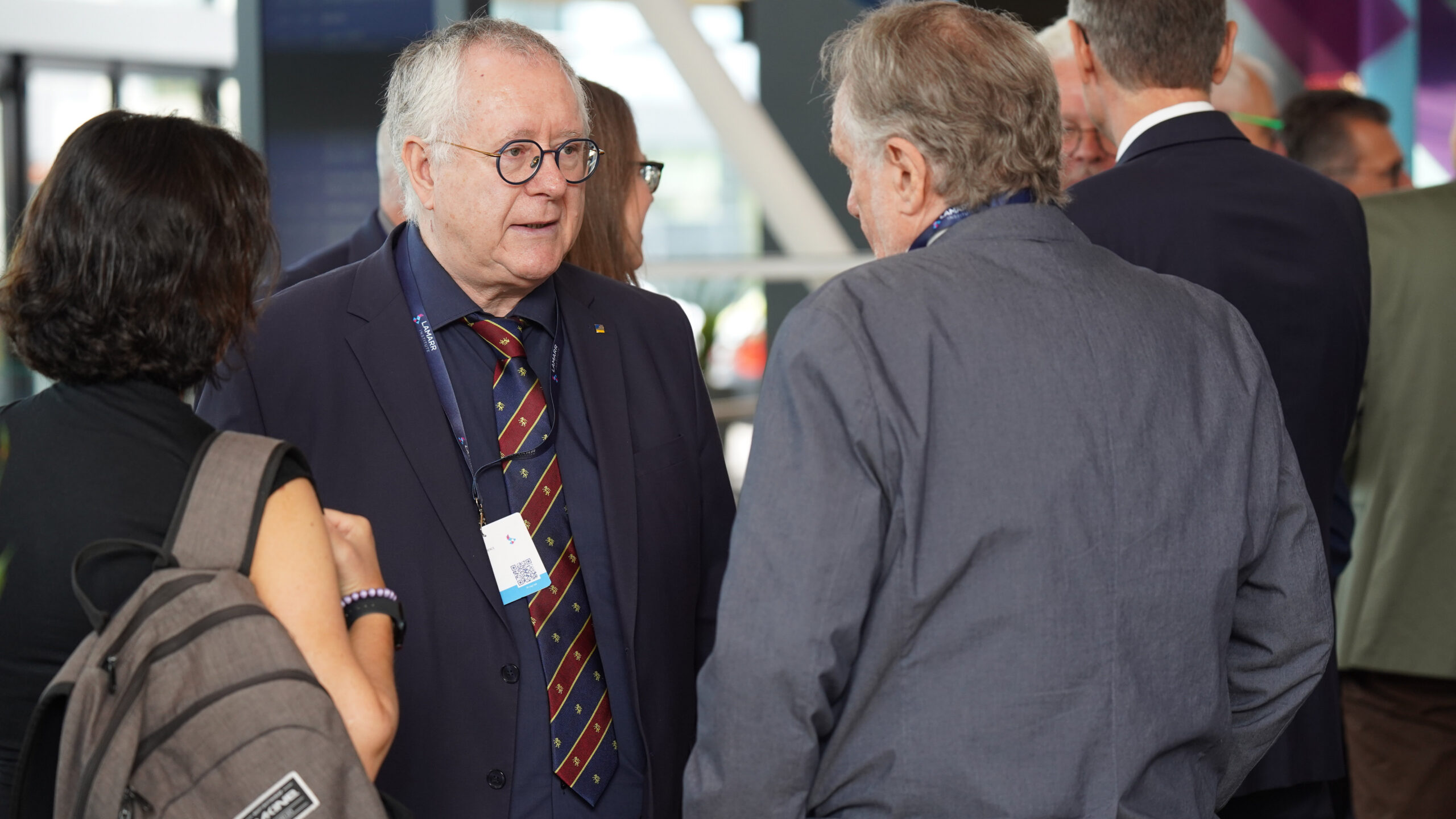
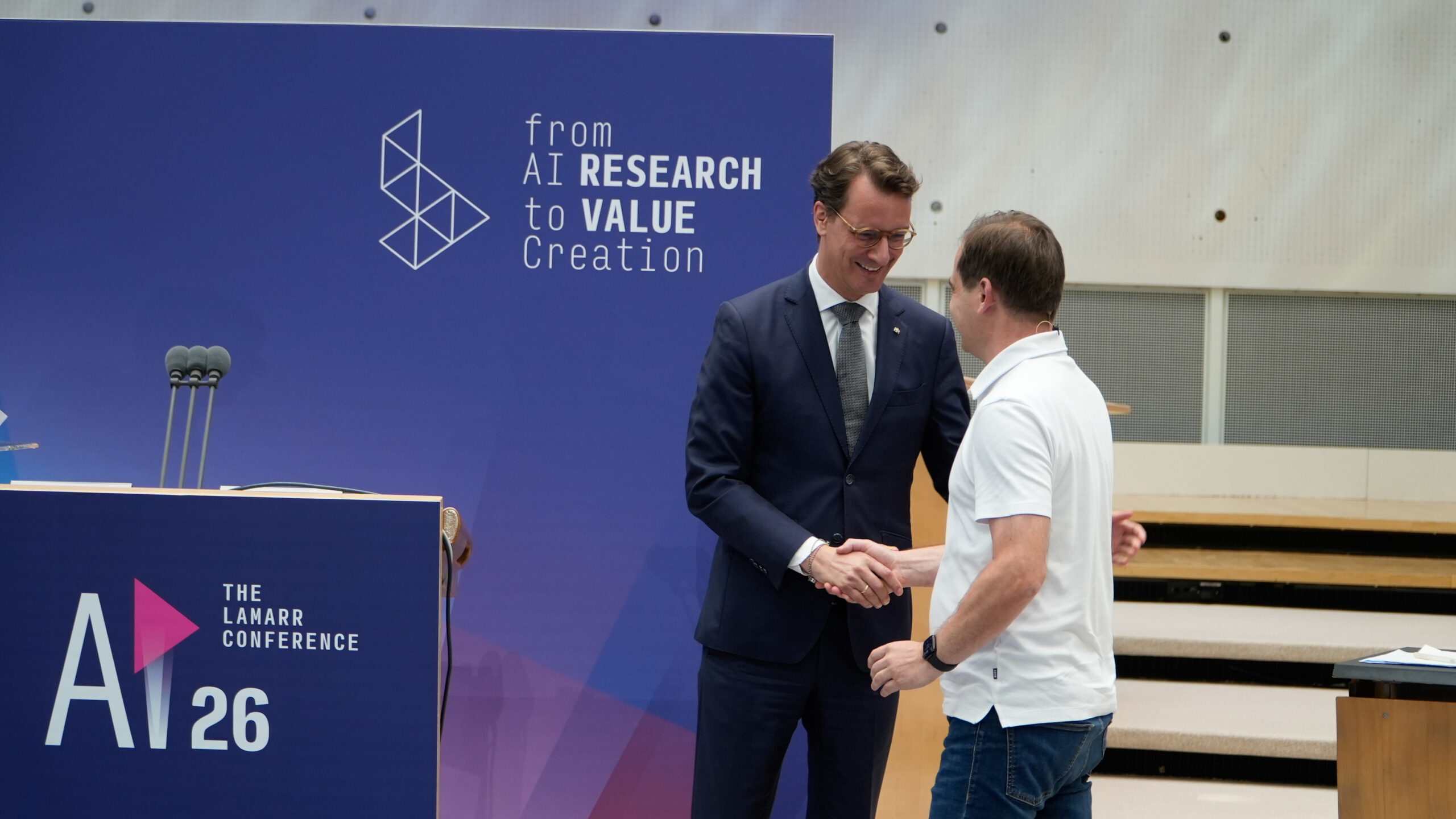
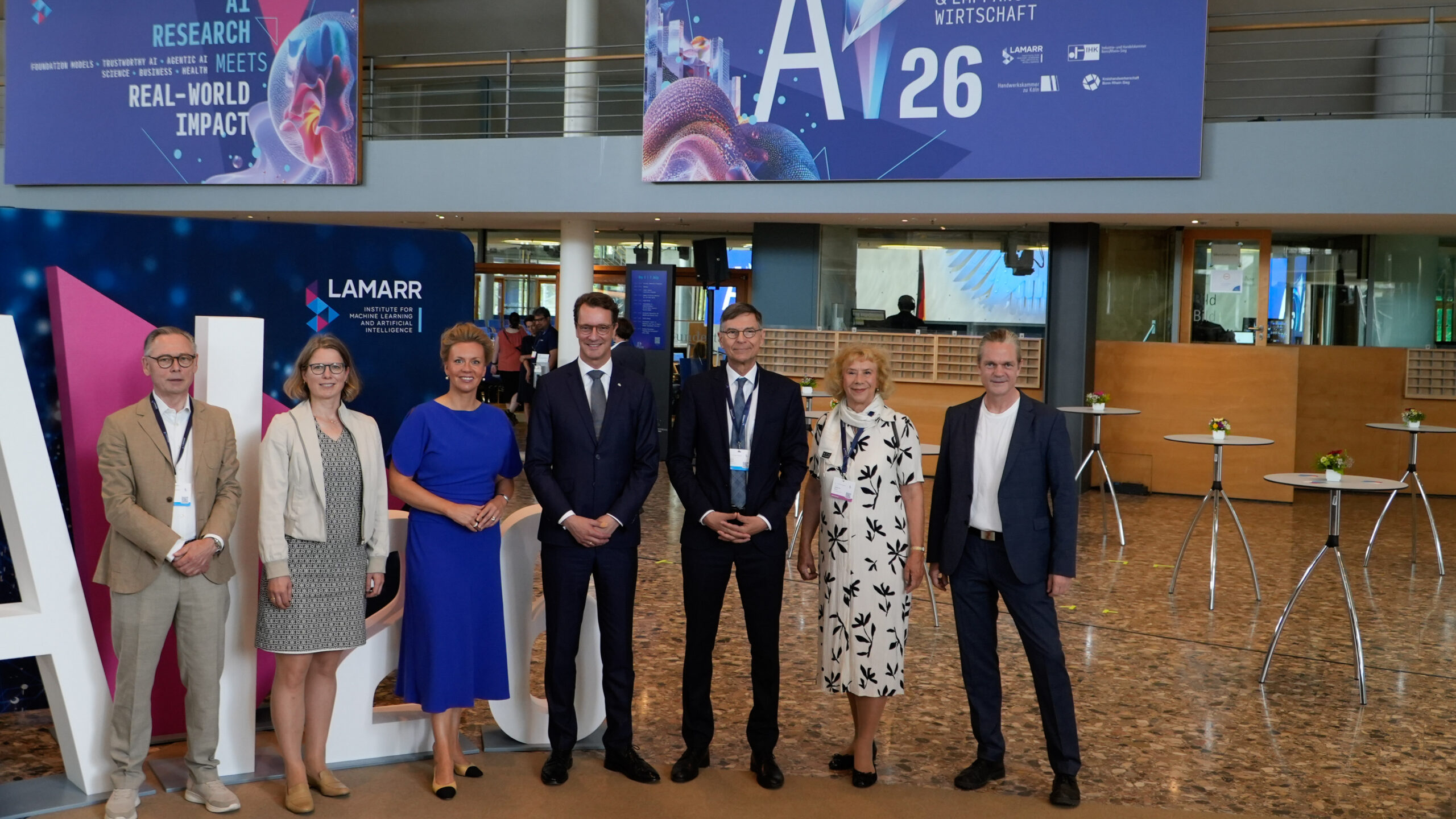
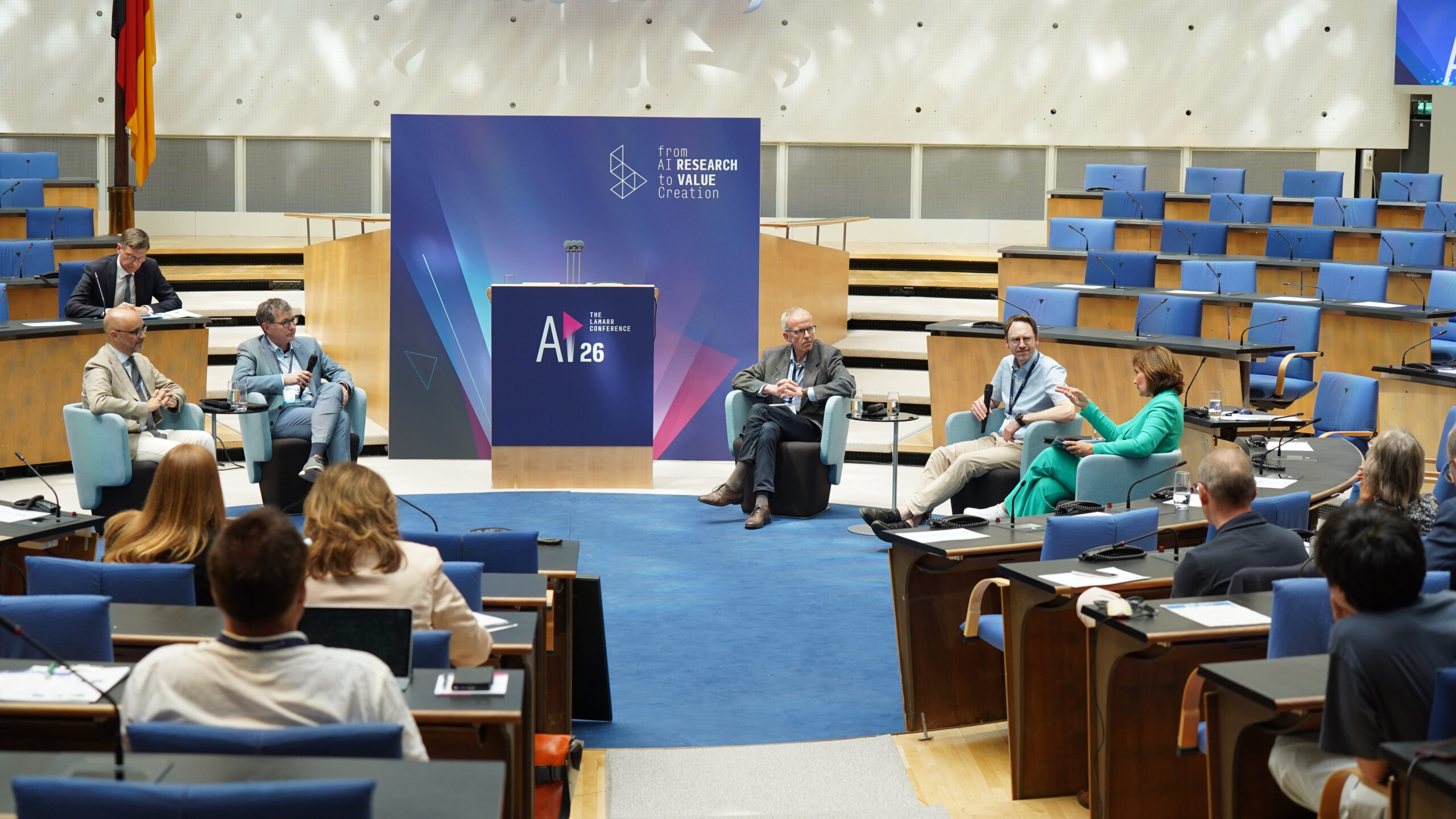
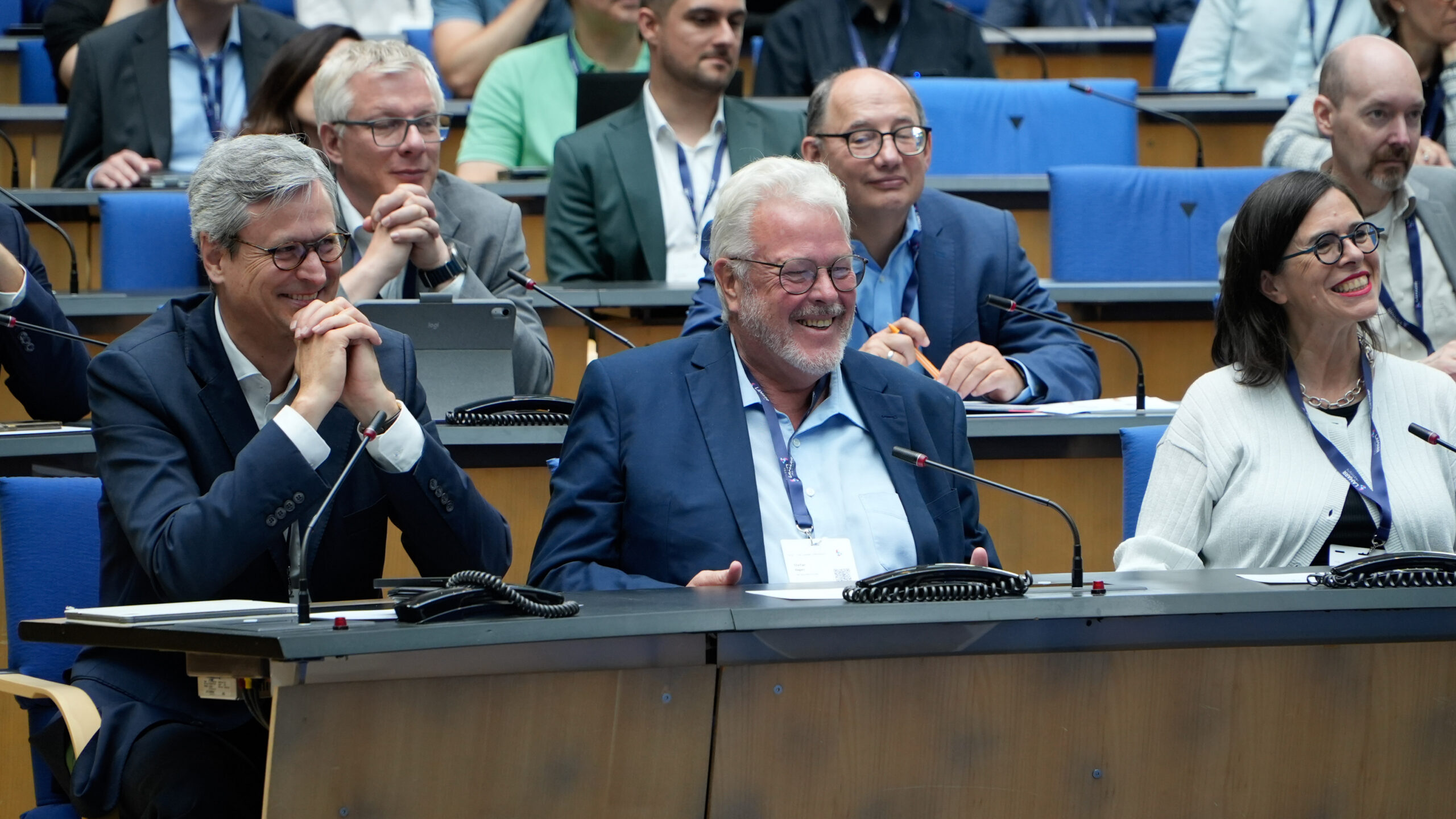
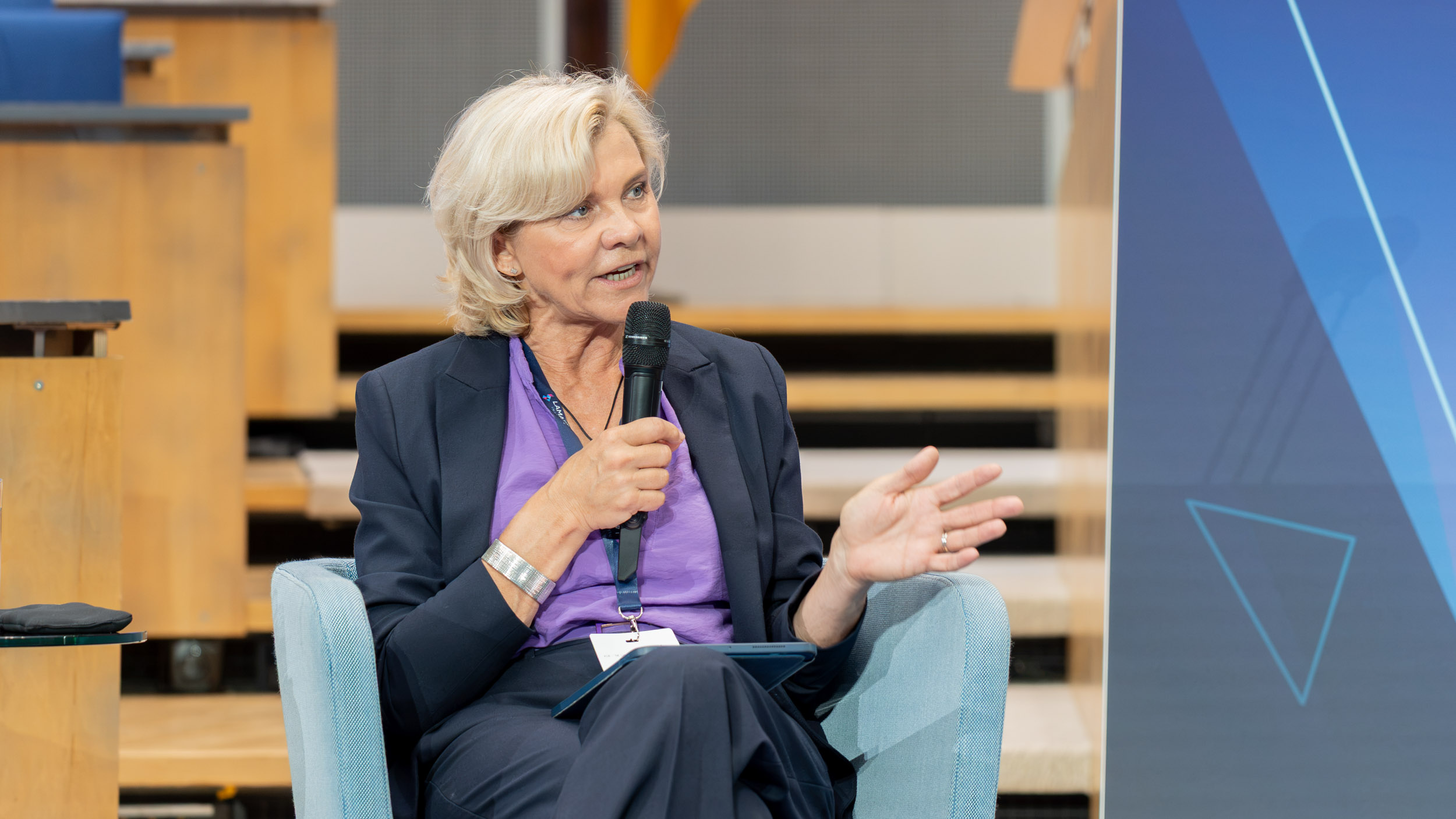
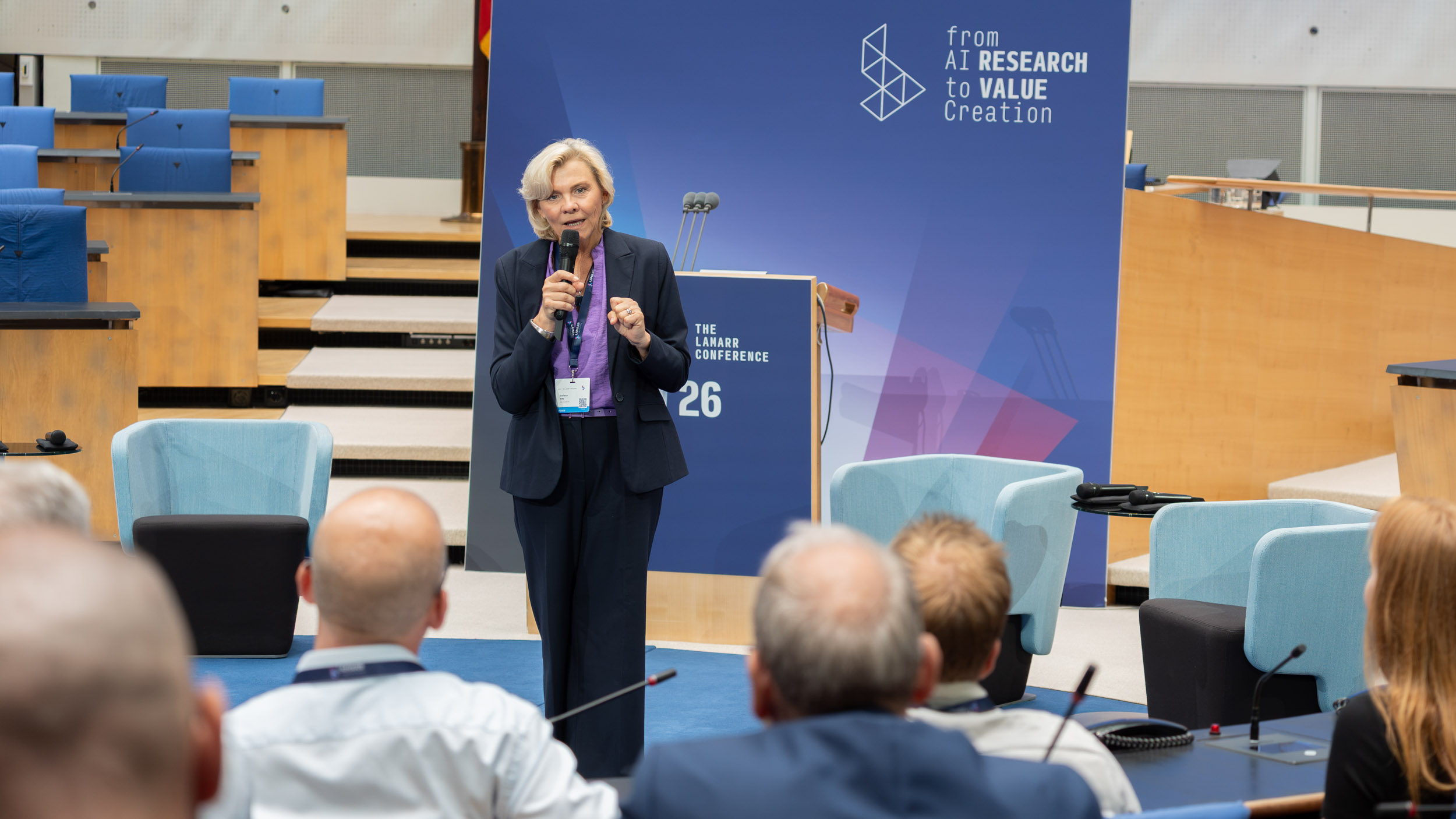
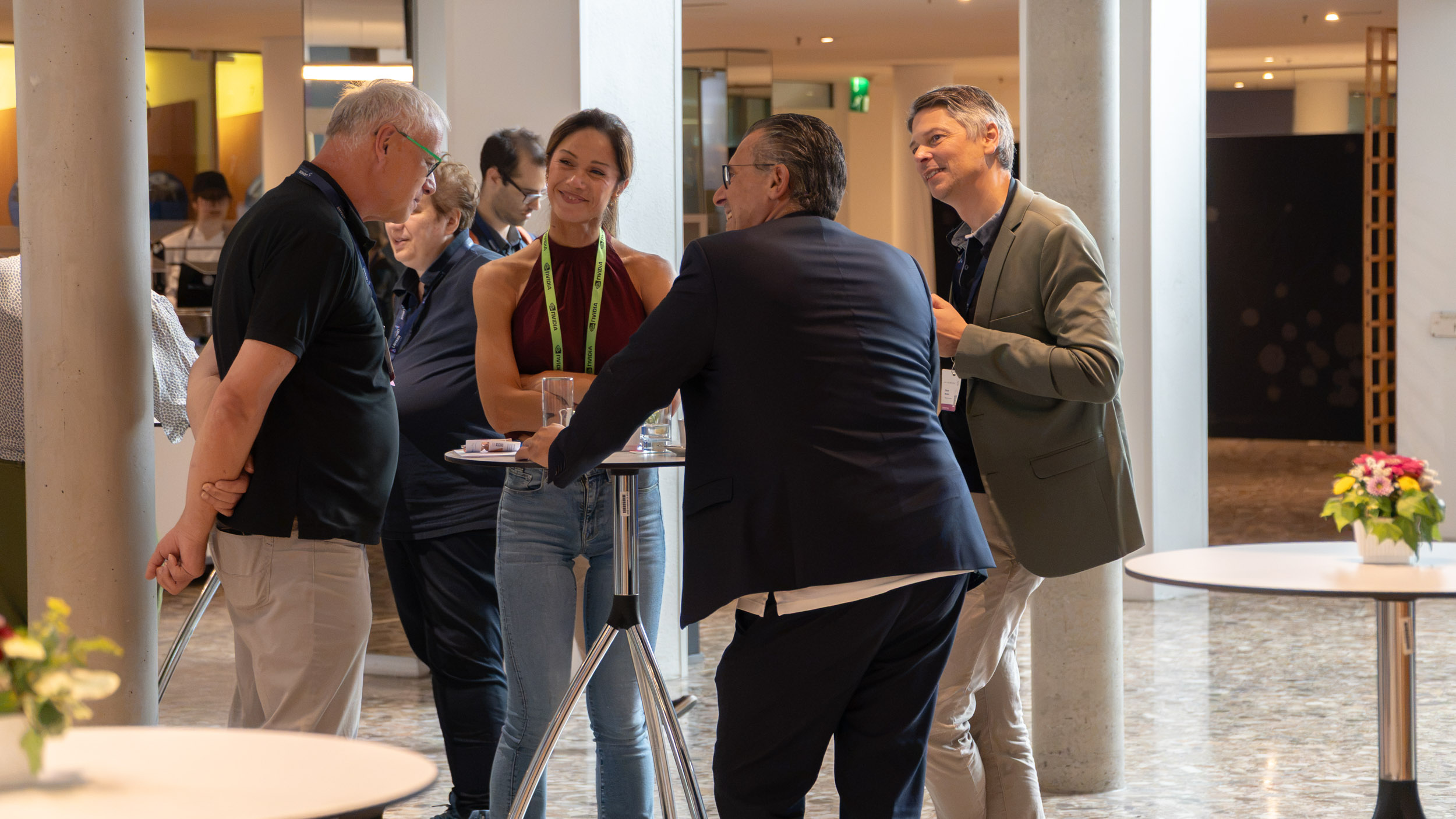
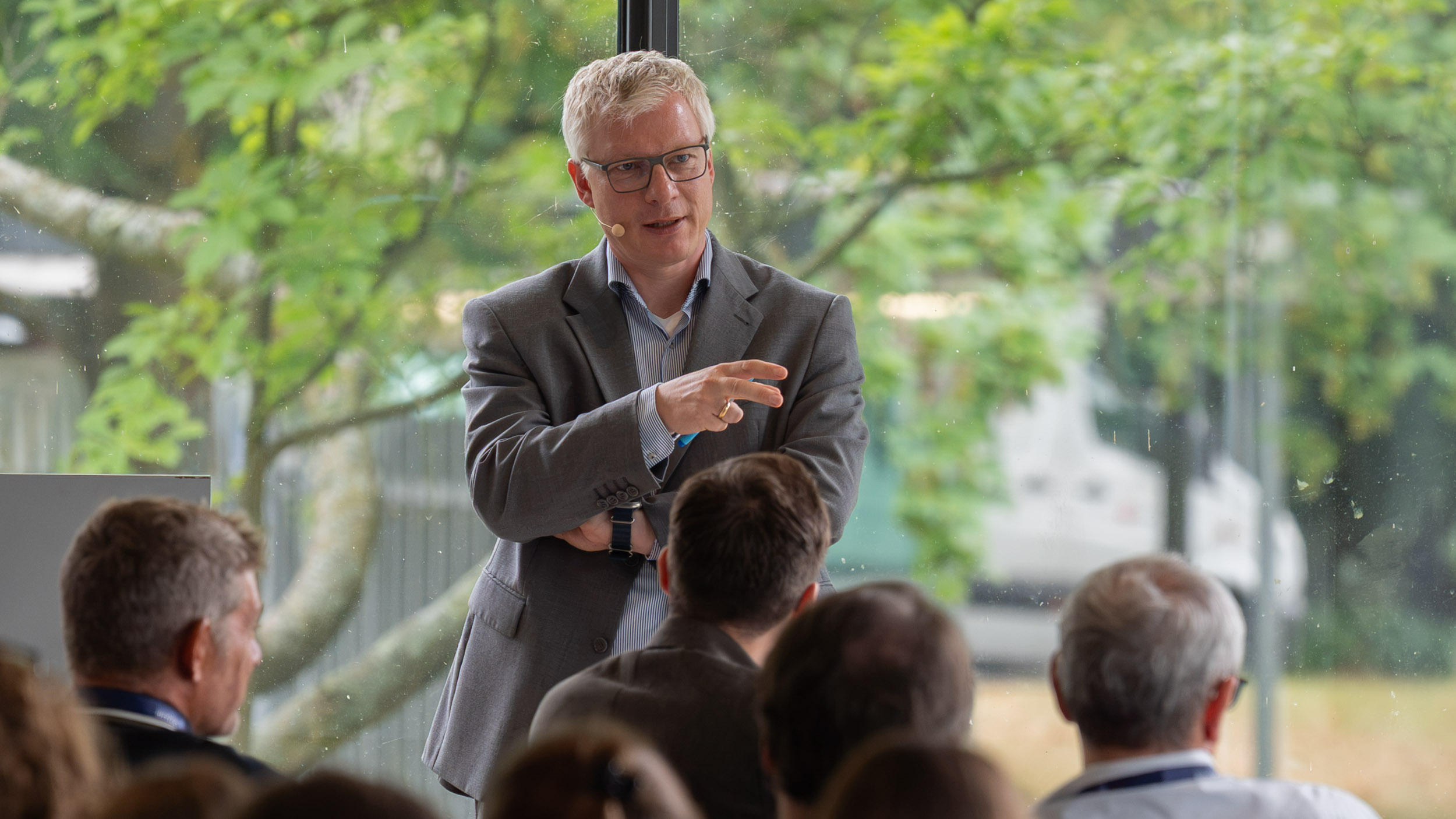
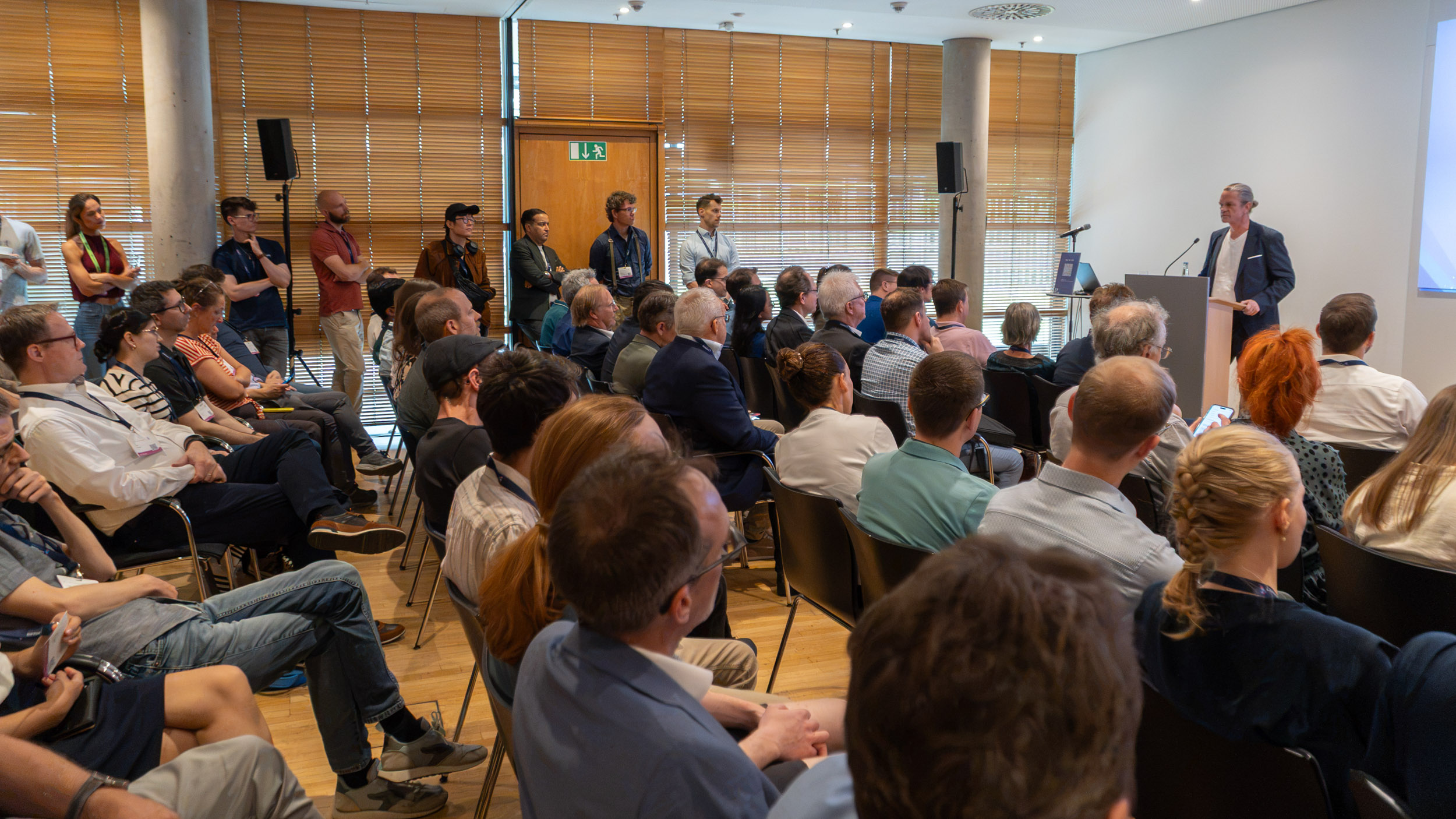
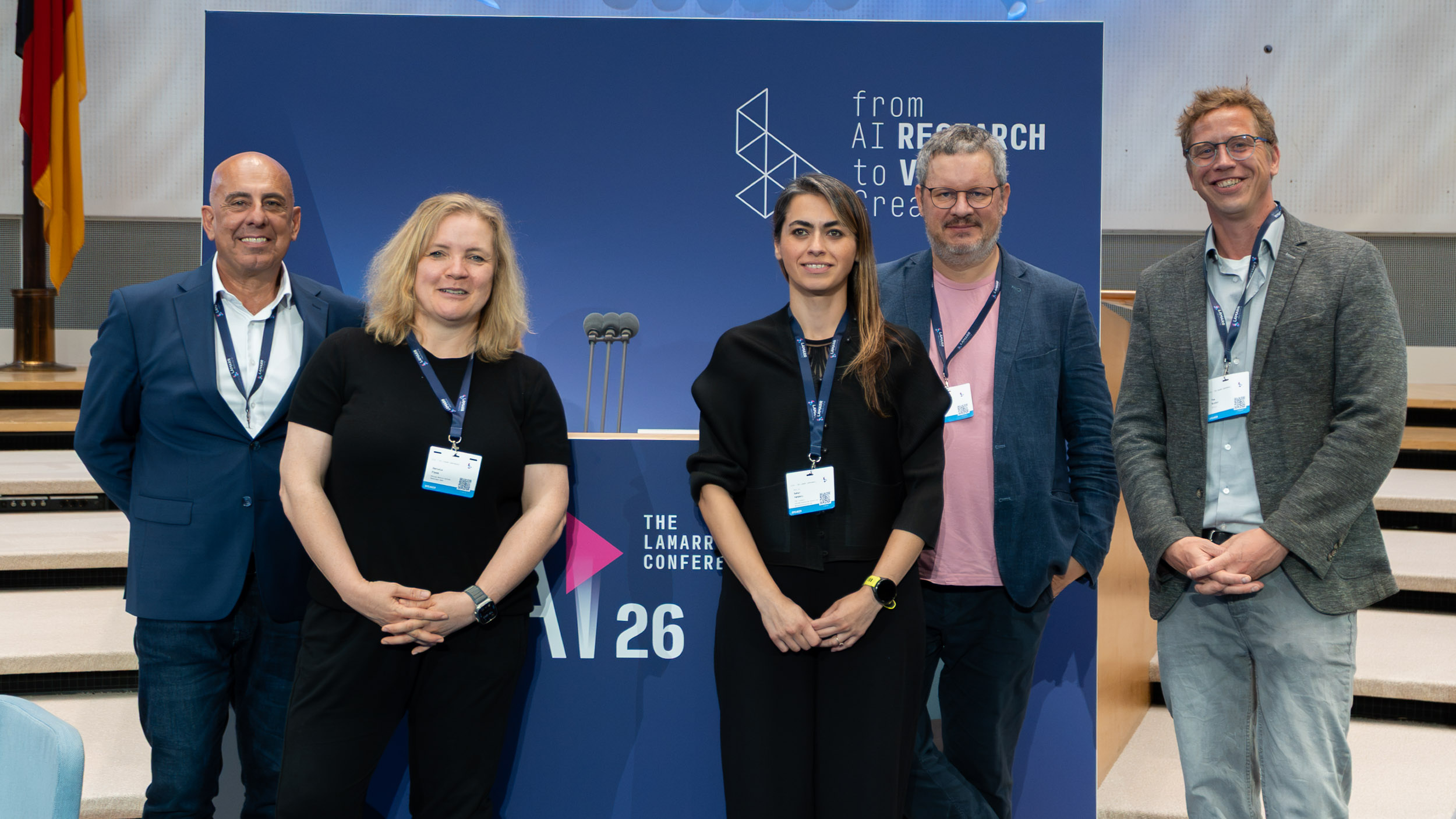
We were honored to welcome about 400 leading researchers, innovators, and decision-makers to AI26 – The Lamarr Conference.

We would like to thank all the participants, speakers and partners who inspired with keynotes, joined in discussions, engaged in networking and exchanged ideas centered on Artificial Intelligence and its impact on the real world. Thank you for creating value with us and making this event such a great success!

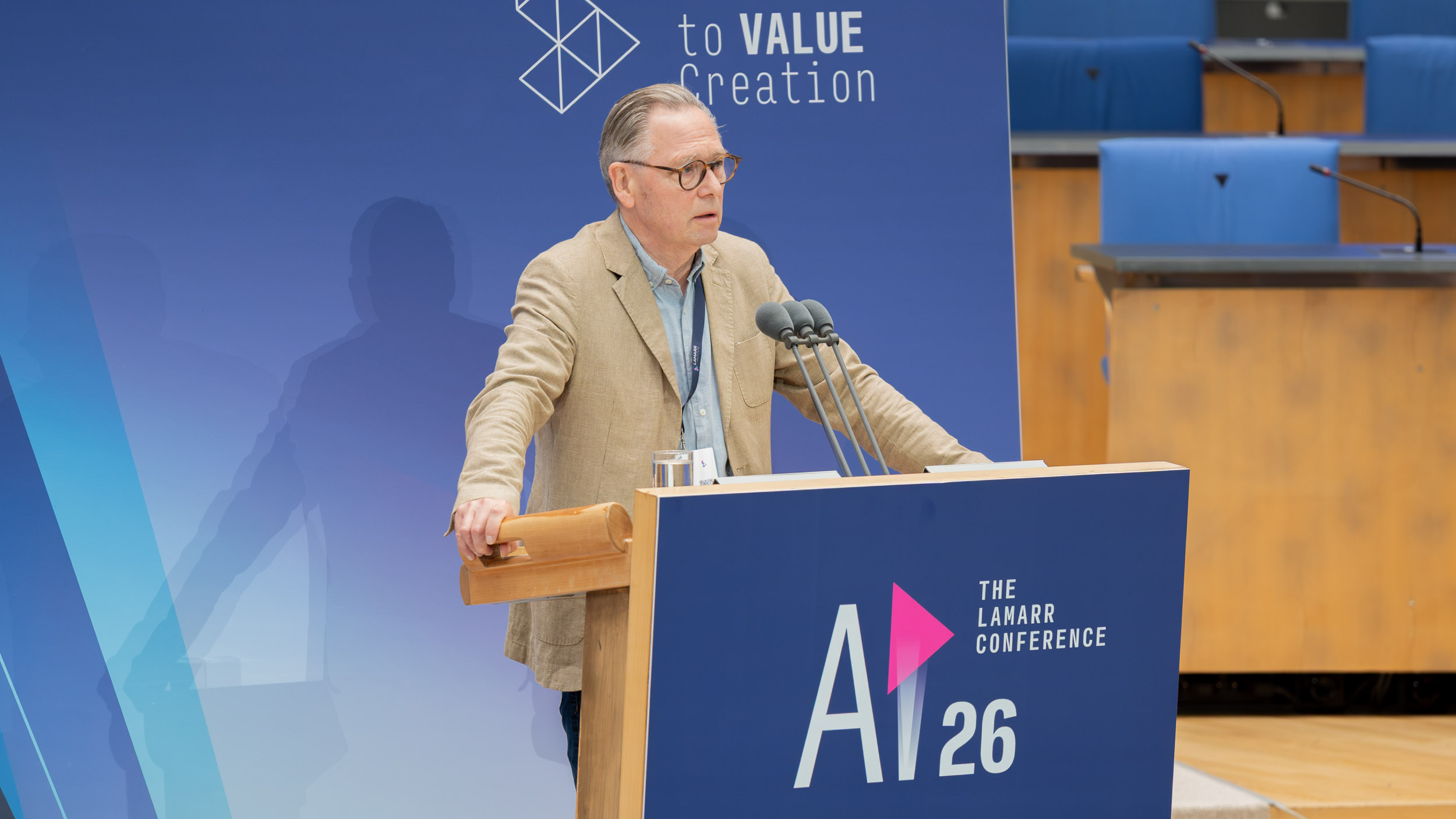
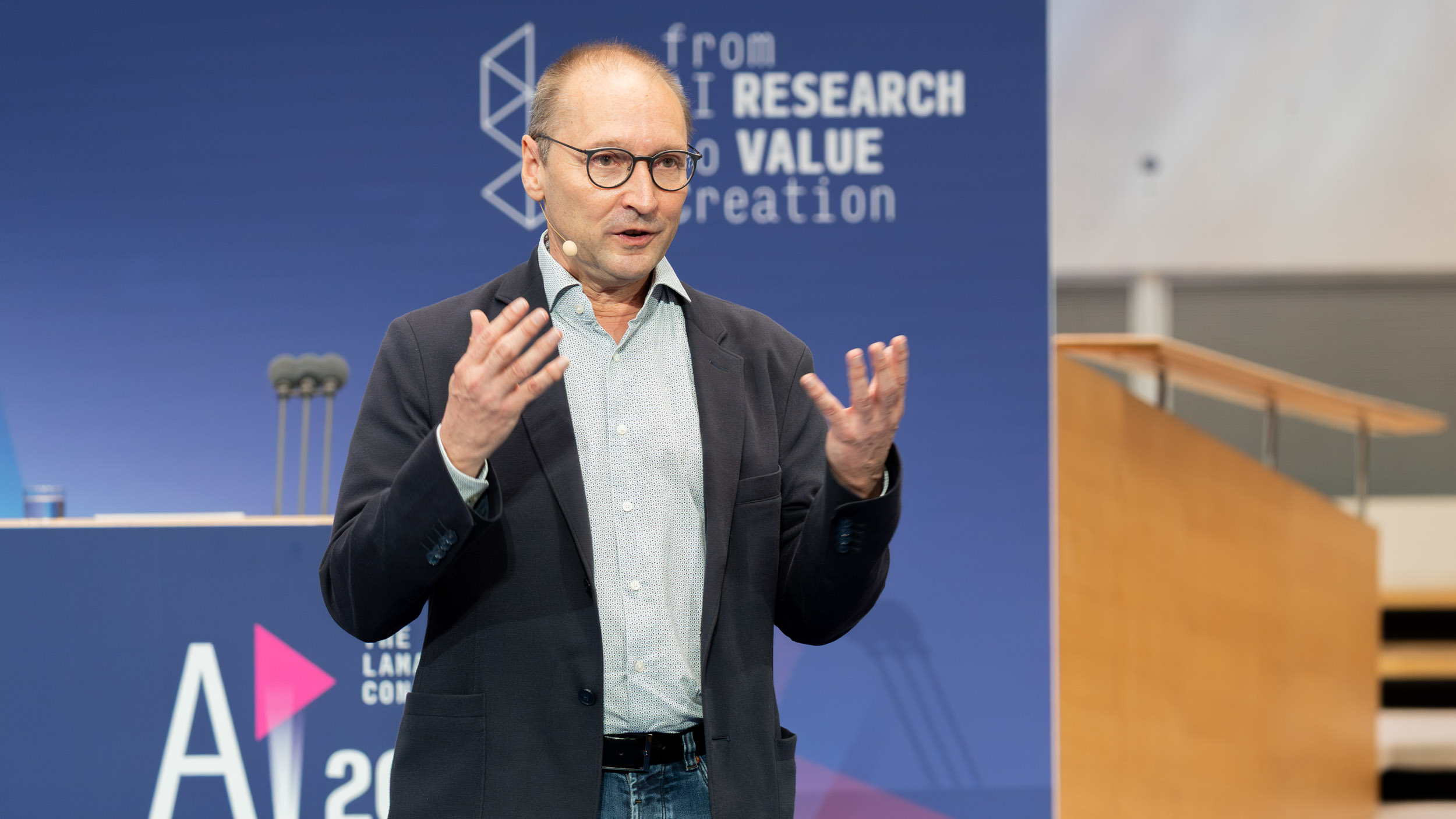
The recap video and photo gallery allow a glimpse on the highlights and the unique atmosphere of the AI26 which took place on July 7 – 8, 2026 in the Plenary Building of the World Conference Center Bonn, the historic former seat of the German Parliament.
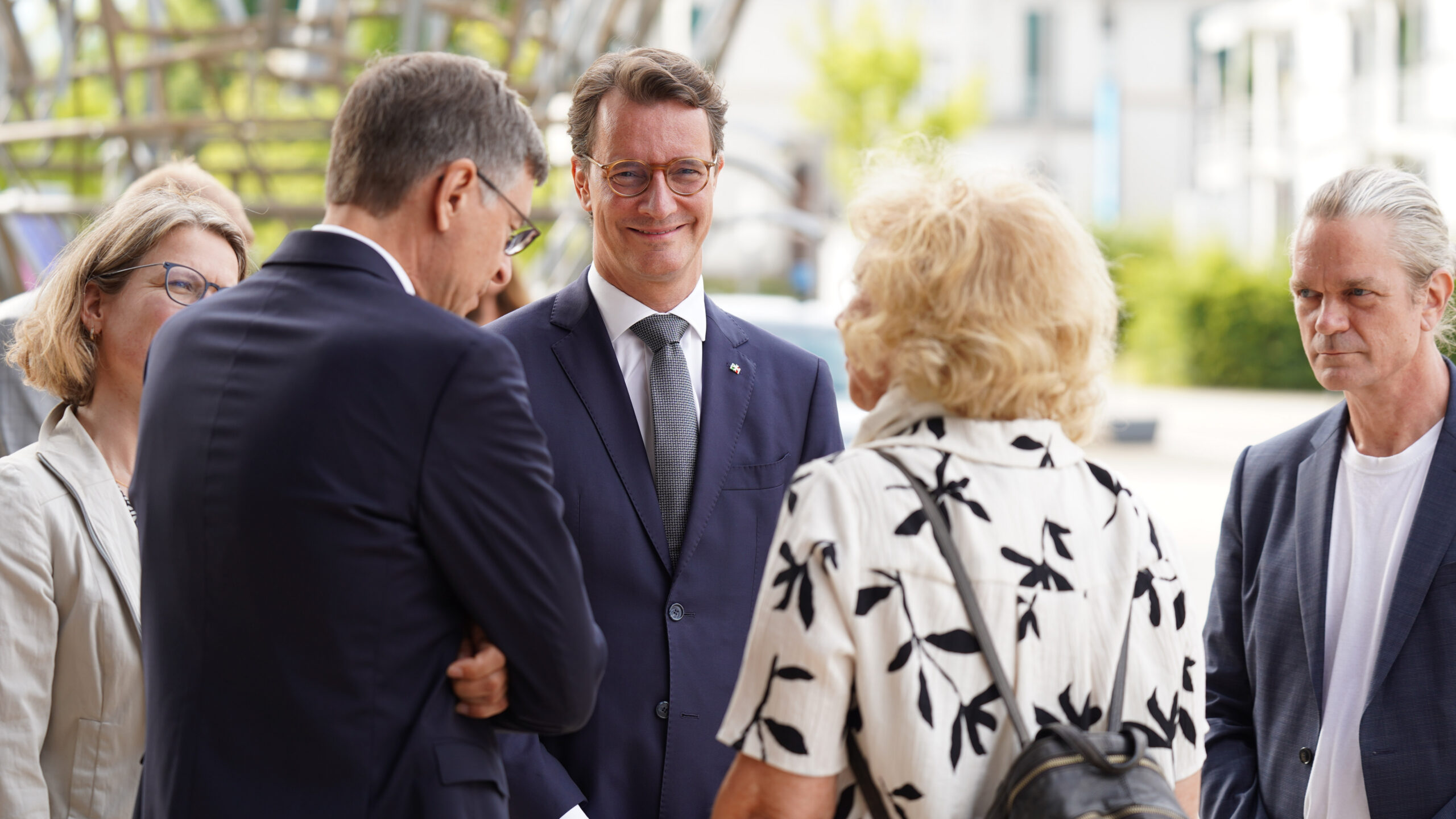
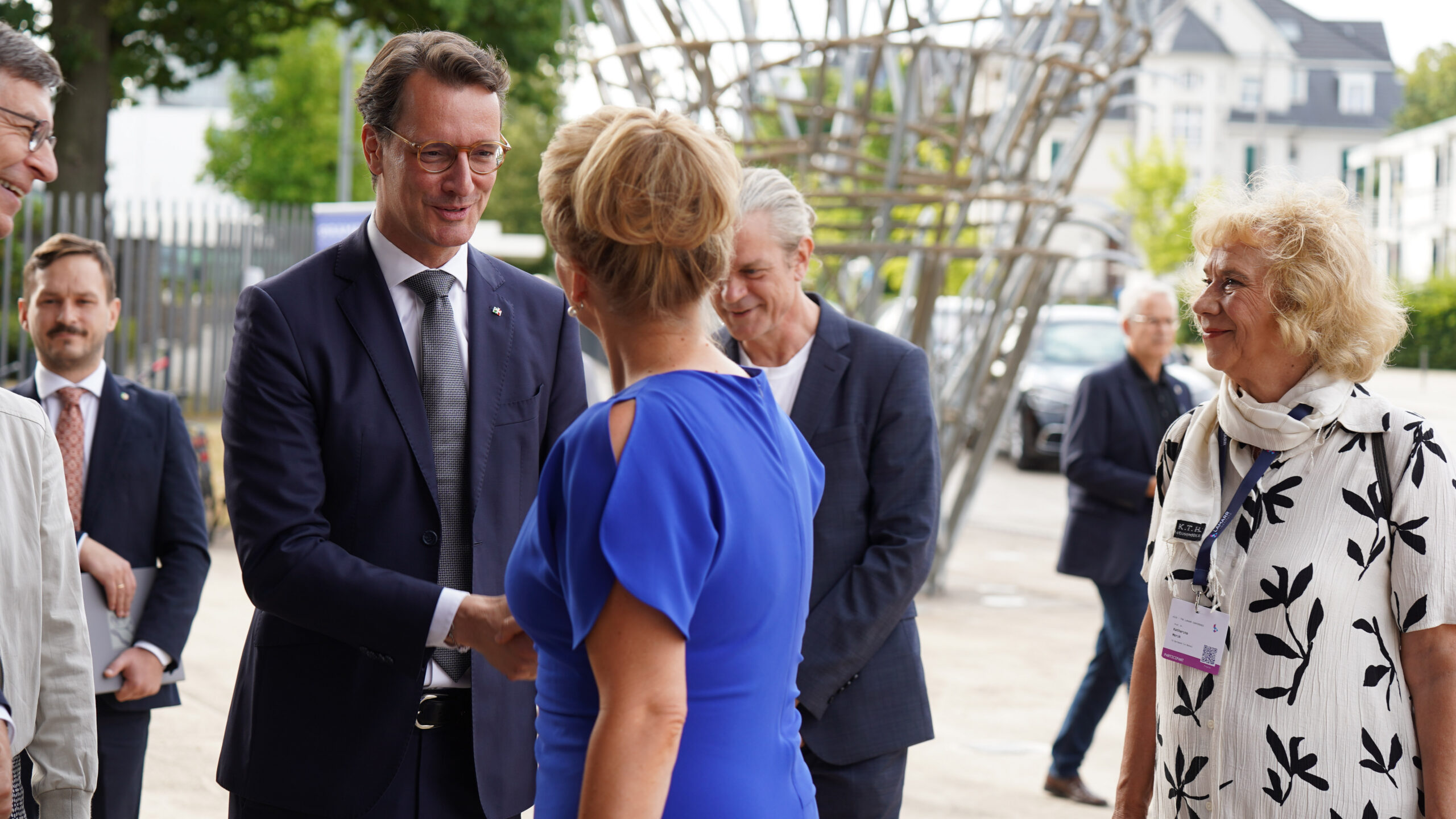
 

Fotos: © Uni Bonn/Maximilian Waidhas

Featured Speakers

Get a first impression of the renowned international and national experts who contribute to the AI26 in various roles, such as keynote speakers, panelists, or session hosts.


Dr.

Jarek Kutylowski

DeepL

Dr. Jarek Kutylowski

CEO and Founder

DeepL

Dr. Jarek Kutylowski is the founder and CEO of DeepL, the Cologne-based AI product and research company building secure, intelligent solutions to complex business problems. Born in Poland and having spent a large part of his life in Germany, Jarek brings an international perspective and a lifelong passion for technology. A developer at heart, he began coding at just 10 years old, building tools he found useful in daily life. He holds a PhD in Computer Science with a focus on mathematics, and has held roles at several tech companies prior to founding DeepL.

Under his leadership, DeepL has grown rapidly, scaling its Language AI platform to offer highly accurate, human-like translation in both written and spoken formats alongside a contextual AI writing assistant. Today, over 200,000 business teams—and millions of individuals across 228 global markets—rely on DeepL for secure, seamless and effective communication.


Timotheus Höttges

Deutsche Telekom AG

Timotheus Höttges

CEO

Deutsche Telekom AG

Timotheus Höttges, born in 1962, has been Chairman of the Board of Management of Deutsche Telekom AG since January 2014. From 2009 until his appointment as Chairman of the Board of Management, he was responsible for Finance and Controlling as a member of the Group Board of Management.

Under Tim Höttges, Deutsche Telekom achieved a landmark move in the U.S. market with the 2020 merger of T-Mobile US and Sprint; at the same time, he significantly accelerated the rollout of 5G and fiber-optics and increased global investments to EUR 19.3 billion most recently. Under his leadership, Deutsche Telekom became one of the world’s most valuable brands.


Hendrik Wüst MdL

State of North Rhine-Westphalia

Hendrik Wüst MdL

Minister President of the State of North Rhine-Westphalia

Hendrik Wüst was born in Rhede on 19 July 1975. He is married with two daughters. Wüst studied law at the University in Münster. After his second state law examination in 2003, he was admitted to the bar. He has been a directly elected member of the North Rhine-Westphalian state parliament since 2005. From 2017 to 2021, he held the office of Minister of Transport of the State of North Rhine-Westphalia. Since 27 October 2021, Mr. Wüst has been Minister President of the State of North Rhine-Westphalia.

Dr.

Ferri Abolhassan

Deutsche Telekom AG

Dr. Ferri Abolhassan

Board Member Deutsche Telekom AG & CEO T-Systems

Ferri Abolhassan is a member of the Board of Management of Deutsche Telekom AG and CEO of T-Systems. He holds a PhD in computer science from Saarland University and has more than 30 years of experience in the IT sector including various management roles at SAP, IDS Scheer and Telekom Deutschland. With T-Systems & Deutsche Telekom Ferri Abolhassan boosts digital sovereignty and AI applications for industry by building Germany’s first AI factory, the Industrial AI Cloud in Munich. He is a member of the Supervisory Board of the German Research Center for Artificial Intelligence (DFKI) and until recently was a member of the Expert Commission “Competition & AI” of the Federal Ministry for Economic Affairs.


Stefanie Kemp

Sana Kliniken AG

Stefanie Kemp

Chief Transformation Officer

Sana Kliniken AG

Stefanie Kemp has served as Chief Transformation Officer (CTO) of Sana Kliniken AG since September 1, 2022, leading the Executive Board’s Transformation division and driving the group’s evolution into an integrated healthcare service provider. She began her professional career as a pediatric nurse. Over 35 years ago, she transitioned into the information technology sector via the pharmaceutical industry. In addition to RWE/innogySE, she has worked at Lowell Financial Services, operated her own consulting firm, and held positions at Oracle. She also holds supervisory board mandates, serves as Executive Sponsor of the Rotonda Business Club Düsseldorf, and is actively involved as a mentor for the Women into Leadership e. V. (IWiL) initiative.

Prof. Dr.

Stefan Wrobel

Lamarr Institute

Prof. Dr. Stefan Wrobel

Director

Lamarr Institute

Stefan Wrobel is a Professor of Computer Science at the University of Bonn, Director of the Fraunhofer Institute for Intelligent Analysis and Information Systems IAIS and Director of the Lamarr Institute. As one of the leading AI researchers in Germany, Stefan has been engaged for many years in scientific, technical and economic aspects of AI, with a particular focus on Data Mining and Machine Learning. His research focuses on intelligent algorithms and large-scale data analysis. Stefan has published widely in international top-tier conferences and journals and is recognized as one of the most influential figures in German AI.

Prof. Dr.

Sylvain Baillet

University of Montreal
Health Centre

Prof. Dr. Sylvain Baillet

Director

CRCHUM (Research Center, University of Montreal Health Centre)

Sylvain Baillet, PhD, FRSC, is Director of Research & Innovation at University of Montreal Health Centre (CHUM), Director of the CHUM Research Centre, and Full Professor of Neuroscience at U of Montreal. A physicist with an international career in Europe and the USA, he holds the Tier-1 Canada Research Chair in Neural Dynamics of Brain Systems. His work advances time-resolved brain imaging and predictive modeling, including the use of AI models to probe predictive processes underlying perception and cognition. He develops widely used neuroimaging methods, open-source software, and data resources. He previously served as Associate Dean at McGill University and was elected Chair of the Organization for Human Brain Mapping.

Prof. Dr.

Ingmar Posner

Oxford University

Prof. Dr. Ingmar Posner

Professor of Engineering Science (Applied Artificial Intelligence)

Oxford University & Deputy Director of the Oxford Robotics Institute

Prof. Ingmar Posner leads the Applied Artificial Intelligence Lab (A2I) at the University of Oxford. As founding director of the Oxford Robotics Institute (ORI), Ingmar’s research is shaped by a vision to create machines that constantly improve through experience. His work has produced seminal contributions to the foundations of robot learning, including large-scale learning from demonstration, unsupervised learning of scene dynamics, object-centric generative modelling, and 3D object detection. His recent work focuses on a novel class of structured, mechanistic world models designed to enable machines to discover re-usable and interpretable insights through observation, action, and interaction. These models help robots, and increasingly scientists, uncover the underlying structure of complex systems to improve generalisation across environments and application domains ranging from robot manipulation to the natural sciences. His research has been recognised with multiple Best Paper Awards at leading international venues such as ICAPS, IROS, and ISER. He co-led the team behind the UK’s first autonomous car, the Oxford RobotCar (now part of the permanent collection of the London Science Museum), and is a co-founder of Oxa, an award-winning provider of autonomous vehicle software. In 2024, the ORI was awarded a Queen’s Anniversary Prize, the highest national honour for UK educational institutions. An ELLIS Fellow, Ingmar currently also serves as an Amazon Scholar.

Prof. Dr.

Maren Bennewitz

Lamarr Institute

Prof. Dr. Maren Bennewitz

Principal Investigator

Lamarr Institute

Maren Bennewitz is a Professor of Humanoid Robots, Vice Rector for Digitalization at the University of Bonn, Principal Investigator at the Lamarr Institute and a member of the Executive Board of the Cluster of Excellence PhenoRob – Robotics and Phenotyping for Sustainable Crop Production. A renowned expert in AI-driven Robotics, her research focuses on robots operating in human environments, with emphasis on human-robot interaction. She has developed innovative Machine Learning solutions, among them navigation, manipulation and active perception techniques for legged and wheeled robots and the generation of foresighted, personalized robot behavior.

Prof. Dr. Dr.

Jens Kleesiek

Essen University Hospital

Prof. Dr. Dr. Jens Kleesiek

Director

Institute for Artificial Intelligence in Medicine (IKIM) at Essen University

Jens Kleesiek studied medicine in Heidelberg, earning his MD, before completing a PhD in computer science in Hamburg. He is a qualified specialist in radiology and medical informatics. In addition, Jens worked for several years in an executive role in industrial software development. Currently, he is Director of the Institute for Artificial Intelligence in Medicine (IKIM) at Essen University Hospital and heads the Machine Learning in Medicine department. He holds faculty positions at the University of Duisburg-Essen and TU Dortmund University. His research focuses on clinical pattern recognition and multimodal data integration to improve decision-making at the point of care.
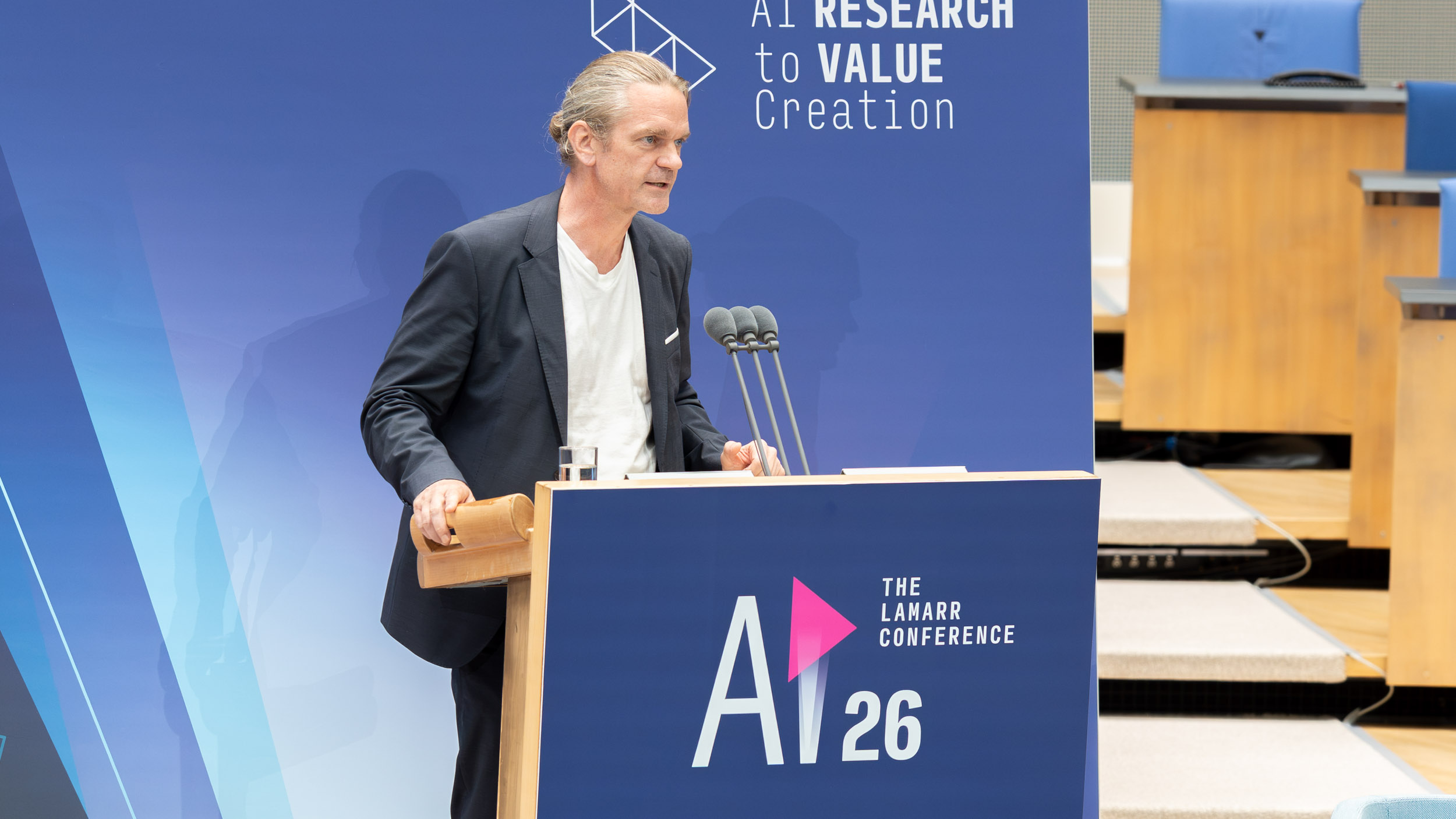
 

Romina Medici

ERGO Group AG

Romina Medici

Division Head

Digital Platforms & Data Strategy ERGO Group AG (Munich Re Group)

Romina Medici leads Digital Platforms & Data Strategy at ERGO Group AG, part of Munich Re Group. She oversees enterprise AI and automation platforms, data architecture, and data governance across global insurance markets. Previously, she spent nearly 16 years at E.ON, building a global data platform spanning 40+ business units in 17 countries with a €25M+ portfolio. Her focus: deploying agentic AI systems at scale, with measurable business outcomes. She is developing the Agentic Operating Model — a governance framework for organisations integrating AI agents as workforce members.

Prof. Dr. med.

Jörg Kalff

University Medical Hospital Bonn

Prof. Dr. med. Jörg C. Kalff

Head of the Department of Surgery

University Medical Hospital Bonn (UKB)

Prof. Dr. Jörg C. Kalff is a leading German surgeon, academic, and medical innovator, serving as Director of the Department of General, Visceral, Vascular and Transplant Surgery at the University Hospital Bonn. He is the Speaker of the BOSTER – Bonn Surgical Technology Center, an initiative to advance surgical innovation and the integration of emerging technologies into clinical practice.With decades of experience in complex surgical care and translational research, he operates at the intersection of clinical excellence, scientific discovery, and healthcare innovation. His clinical expertise includes advanced surgical oncology, particularly liver, pancreas, and gastrointestinal oncological procedures, as well as transplant surgery.

In addition to his clinical leadership, Prof. Kalff is internationally recognized for his research on postoperative inflammation, intestinal function, and neuro- immune interactions in the gut. Through his work in BOSTER, he is closely engaged in shaping the future of surgery by fostering collaboration between medicine, engineering, and data science, including the application of artificial intelligence.

Topics

AI26 – The Lamarr Conference on Artificial Intelligence focusses on three of the most dynamic research topics and illustrates the real-world-impact of AI in selected application fields.

Program

Discover the two-day program of AI26 – The Lamarr Conference which features keynotes, panel discussions and interactive sessions.

08:30 – 09:30

Arrival, Check-in & Mingling

09:30 – 09:45

Opening
3

Greeting

Prof. Dr. Stefan Wrobel

Lamarr Institute

Prof. Dr. Stefan Wrobel

Director

Lamarr Institute

Stefan Wrobel is a Professor of Computer Science at the University of Bonn, Director of the Fraunhofer Institute for Intelligent Analysis and Information Systems IAIS and Director of the Lamarr Institute. As one of the leading AI researchers in Germany, Stefan has been engaged for many years in scientific, technical and economic aspects of AI, with a particular focus on Data Mining and Machine Learning. His research focuses on intelligent algorithms and large-scale data analysis. Stefan has published widely in international top-tier conferences and journals and is recognized as one of the most influential figures in German AI.

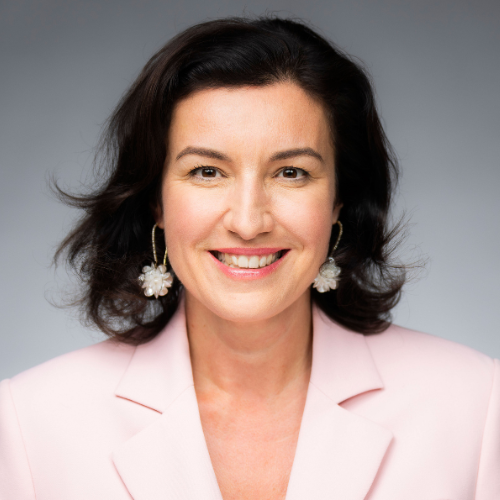
Dorothee Bär MdB (Video)

Federal Ministry of Research, Technology and Space

Dorothee Bär MdB (Video)

Minister

Federal Ministry of Research, Technology and Space

Dorothee Bär was born on April 19, 1978, in Bamberg, a city known for its imperial and episcopal heritage, which borders directly on her home district of Haßberge, where she grew up in Ebelsbach. At age 14, she joined the Junge Union and then, in 1994, the parent party, the CSU. She moved to the state capital, Munich, to attend university and was active throughout Bavaria as state chairwoman of the RCDS.

She has been a member of the CSU party executive board since 2001 and was elected to the German Bundestag in the 2002 federal election. From 2009 to 2013, she served as deputy secretary-general of the CSU and as spokesperson for the CDU/CSU parliamentary group in the Bundestag on issues related to family, seniors, women, and youth. From December 2013 to March 2018, she served as Parliamentary State Secretary to the Federal Minister of Transport and Digital Infrastructure. From March 2018 to December 2021, she served as Minister of State in the Federal Chancellery and as the Federal Government’s Commissioner for Digitalization. From 2021 to 2025, she served as deputy chair of the CDU/CSU parliamentary group in the Bundestag, responsible for family and culture.

Hendrik Wüst MdL

State of North Rhine-Westphalia

Hendrik Wüst MdL

Minister President of the State of North Rhine-Westphalia

Hendrik Wüst was born in Rhede on 19 July 1975. He is married with two daughters. Wüst studied law at the University in Münster. After his second state law examination in 2003, he was admitted to the bar. He has been a directly elected member of the North Rhine-Westphalian state parliament since 2005. From 2017 to 2021, he held the office of Minister of Transport of the State of North Rhine-Westphalia. Since 27 October 2021, Mr. Wüst has been Minister President of the State of North Rhine-Westphalia.

Greeting

Prof. Dr. Stefan Wrobel, Prof. Dr. Christian Bauckhage, Prof. Dr. Jakob Rehof

09:45 – 10:45

Lamarr Award: Laudation and Award Winner’s Keynote

3

Recognizing his groundbreaking achievements in AI research, development and transfer, the Lamarr Award 2026 is presented to Dr. Jarosław (Jarek) Kutyłowski, CEO and founder of DeepL. A developer at heart, Jarek provides insights from one of the leading machine translation providers worldwide.

Laudation

Hendrik Wüst MdL

State of North Rhine-Westphalia

Hendrik Wüst MdL

Minister President of the State of North Rhine-Westphalia

Hendrik Wüst was born in Rhede on 19 July 1975. He is married with two daughters. Wüst studied law at the University in Münster. After his second state law examination in 2003, he was admitted to the bar. He has been a directly elected member of the North Rhine-Westphalian state parliament since 2005. From 2017 to 2021, he held the office of Minister of Transport of the State of North Rhine-Westphalia. Since 27 October 2021, Mr. Wüst has been Minister President of the State of North Rhine-Westphalia.

Laudation

Lamarr Award: Laudation and Award Winner’s Keynote

Hendrik Wüst MdL

We are thrilled to welcome Minister President of the State of North Rhine-Westphalia, Hendrik Wüst MdL, as keynote speaker and presenter of the laudatory address for this year’s Lamarr Award. The Lamarr Award honors internationally recognized pioneers for their significant achievements in AI research and development.  Recognizing his groundbreaking achievements, this year’s Award recipient is Dr. Jarek Kutylowski, founder and CEO of DeepL, one of the leading machine translation providers worldwide.

  • Business
  • Agentic AI
  • Science
  • Foundation Models

What It Takes to Build World-Class AI in Europe

Dr. Jarek Kutylowski

DeepL

Dr. Jarek Kutylowski

CEO and Founder

DeepL

Dr. Jarek Kutylowski is the founder and CEO of DeepL, the Cologne-based AI product and research company building secure, intelligent solutions to complex business problems. Born in Poland and having spent a large part of his life in Germany, Jarek brings an international perspective and a lifelong passion for technology. A developer at heart, he began coding at just 10 years old, building tools he found useful in daily life. He holds a PhD in Computer Science with a focus on mathematics, and has held roles at several tech companies prior to founding DeepL.

Under his leadership, DeepL has grown rapidly, scaling its Language AI platform to offer highly accurate, human-like translation in both written and spoken formats alongside a contextual AI writing assistant. Today, over 200,000 business teams—and millions of individuals across 228 global markets—rely on DeepL for secure, seamless and effective communication.

What It Takes to Build World-Class AI in Europe

Lamarr Award: Laudation and Award Winner’s Keynote

Dr. Jarek Kutylowski

The question isn’t whether Europe can win in AI — it’s whether we’re asking the right questions at all. In this keynote, DeepL CEO Dr. Jarek Kutylowski moves beyond the competitiveness debate to explore what matters even more: the technical, organizational, and cultural shifts required to build world-class AI. Grounded in his experience founding and leading DeepL from Cologne, he makes the case for a new kind of European ambition — purposeful, principled, and built on the conviction that how we build matters as much as what we build.

  • Business
  • Agentic AI
  • Science
  • Foundation Models

10:45 – 12:00

Robust AI-driven Robotics for the Real World

3

AI-driven robotics is transforming industries from manufacturing and agriculture to logistics. Exploring research breakthroughs on the safe and effective deployment of robotics systems in the real world, we highlight advances in robust robotic systems, humanoid robots, and vision-language-action models.

Beyond Prediction: Mechanistic World Models for Robust Robotics

Prof. Dr. Ingmar Posner

Oxford University

Prof. Dr. Ingmar Posner

Professor of Engineering Science (Applied Artificial Intelligence)

Oxford University & Deputy Director of the Oxford Robotics Institute

Prof. Ingmar Posner leads the Applied Artificial Intelligence Lab (A2I) at the University of Oxford. As founding director of the Oxford Robotics Institute (ORI), Ingmar’s research is shaped by a vision to create machines that constantly improve through experience. His work has produced seminal contributions to the foundations of robot learning, including large-scale learning from demonstration, unsupervised learning of scene dynamics, object-centric generative modelling, and 3D object detection. His recent work focuses on a novel class of structured, mechanistic world models designed to enable machines to discover re-usable and interpretable insights through observation, action, and interaction. These models help robots, and increasingly scientists, uncover the underlying structure of complex systems to improve generalisation across environments and application domains ranging from robot manipulation to the natural sciences. His research has been recognised with multiple Best Paper Awards at leading international venues such as ICAPS, IROS, and ISER. He co-led the team behind the UK’s first autonomous car, the Oxford RobotCar (now part of the permanent collection of the London Science Museum), and is a co-founder of Oxa, an award-winning provider of autonomous vehicle software. In 2024, the ORI was awarded a Queen’s Anniversary Prize, the highest national honour for UK educational institutions. An ELLIS Fellow, Ingmar currently also serves as an Amazon Scholar.

Beyond Prediction: Mechanistic World Models for Robust Robotics

Robust AI-driven Robotics for the Real World

Prof. Dr. Ingmar Posner

Recent advances in foundation models and world models have transformed our ability to predict, simulate, and plan in complex environments. Yet, despite remarkable predictive performance, today’s AI systems often remain brittle, data-hungry, and difficult to adapt because they learn to model observations rather than the mechanisms that generate them.

In this talk, I will argue that the next frontier of AI lies beyond prediction. In particular, I will propose the concept of Mechanistic World Models: learning systems that organise knowledge around reusable variables, mechanisms, and their interactions, enabling interpretable, robust, and compositional representations of the world. Using robotics as a motivating domain, I will discuss how this perspective can improve data efficiency, adaptation, and reasoning in dynamic environments, and illustrate these ideas through our recent work on learning causal structure in dynamic systems. Finally, I will argue that the same principles offer a promising foundation for AI systems that move beyond forecasting towards explanation and, ultimately, autonomous scientific discovery.

  • Business
  • Agentic AI
  • Science
  • Foundation Models
  • Trustworthy AI

Panel

Prof. Dr. Ingmar Posner

Oxford University

Prof. Dr. Ingmar Posner

Professor of Engineering Science (Applied Artificial Intelligence)

Oxford University & Deputy Director of the Oxford Robotics Institute

Prof. Ingmar Posner leads the Applied Artificial Intelligence Lab (A2I) at the University of Oxford. As founding director of the Oxford Robotics Institute (ORI), Ingmar’s research is shaped by a vision to create machines that constantly improve through experience. His work has produced seminal contributions to the foundations of robot learning, including large-scale learning from demonstration, unsupervised learning of scene dynamics, object-centric generative modelling, and 3D object detection. His recent work focuses on a novel class of structured, mechanistic world models designed to enable machines to discover re-usable and interpretable insights through observation, action, and interaction. These models help robots, and increasingly scientists, uncover the underlying structure of complex systems to improve generalisation across environments and application domains ranging from robot manipulation to the natural sciences. His research has been recognised with multiple Best Paper Awards at leading international venues such as ICAPS, IROS, and ISER. He co-led the team behind the UK’s first autonomous car, the Oxford RobotCar (now part of the permanent collection of the London Science Museum), and is a co-founder of Oxa, an award-winning provider of autonomous vehicle software. In 2024, the ORI was awarded a Queen’s Anniversary Prize, the highest national honour for UK educational institutions. An ELLIS Fellow, Ingmar currently also serves as an Amazon Scholar.

Prof. Dr. Maren Bennewitz

Lamarr Institute

Prof. Dr. Maren Bennewitz

Principal Investigator

Lamarr Institute

Maren Bennewitz is a Professor of Humanoid Robots, Vice Rector for Digitalization at the University of Bonn, Principal Investigator at the Lamarr Institute and a member of the Executive Board of the Cluster of Excellence PhenoRob – Robotics and Phenotyping for Sustainable Crop Production. A renowned expert in AI-driven Robotics, her research focuses on robots operating in human environments, with emphasis on human-robot interaction. She has developed innovative Machine Learning solutions, among them navigation, manipulation and active perception techniques for legged and wheeled robots and the generation of foresighted, personalized robot behavior.

Prof. Dr. Kai Arras

University of Stuttgart

Prof. Dr. Kai Arras

Professor at Institute for Artificial Intelligence Socially Intelligent Robotics

University of Stuttgart

Prof. Dr. Kai Arras received his Dr. degree in 2003 from EPFL in Lausanne. He was a postdoctoral researcher at KTH Stockholm and the University of Freiburg, and in 2007 received a DFG Junior research group leader grant to lead an independent research group in social robotics. He was a Juniorprofessor at the University of Freiburg, and since 2023 has held the Cyber Valley endowed full professorship for Autonomous Systems at the University of Stuttgart. In parallel, he pursued an industrial career through founding and transferring technology to start-ups, worked as a Senior Research Scientist at Evolution Robotics in Pasadena, California, and served as Head of Robotics Research at Bosch.

Prof. Dr. Elisabeth André

University of Augsburg

Prof. Dr. Elisabeth André

Chair Human-Centered Artificial Intelligence

University of Augsburg

Elisabeth André is Full Professor of Computer Science and Founding Chair of Human-Centered Artificial Intelligence at the University of Augsburg, Germany. Her research focuses on multimodal human–machine interaction and AI-based analysis of human behavior, with applications in social coaching, psychotherapy, and mental health. She received the Gottfried Wilhelm Leibniz Prize 2021, Germany’s highest research award. André is a member of the CHI Academy and a EurAI Fellow. In 2019, she was named among the ten most influential figures in the history of AI in Germany. She is a member of several leading scientific academies, including Academy of Europe, Leopoldina and acatech

Panel

Robust AI-driven Robotics for the Real World

Prof. Dr. Ingmar Posner, Prof. Dr. Maren Bennewitz, Romina Medici, Prof. Dr. Elisabeth André

The panel discussion focusses on the status, main achievements and challenges with respect to the collaboration between AI and robotics. The prerequisites for the successful implementation of robust, AI-driven robotics in unstructured, real-world environments are outlined. The panelists give insights into the application of vision-language-action models and foundation models in intelligent robotics and discuss whether AI-driven robots should resemble humans.

  • Business
  • Agentic AI
  • Science
  • Foundation Models
  • Trustworthy AI

12:00 – 13:15

Lunch Break

13:15 – 14:30

Sovereignty vs. Competitiveness: Can AI Value Creation Deliver Both?

3

In the AI economy, companies face a strategic question: how to scale AI solutions globally while maintaining control over key technologies and critical data. Learn more about how organizations can balance scale and sovereignty to unlock sustainable value creation and retain competitiveness.

Industrial AI - Accelerator for Europe's Industry

Dr. Ferri Abolhassan

Deutsche Telekom AG

Dr. Ferri Abolhassan

Board Member Deutsche Telekom AG & CEO T-Systems

Ferri Abolhassan is a member of the Board of Management of Deutsche Telekom AG and CEO of T-Systems. He holds a PhD in computer science from Saarland University and has more than 30 years of experience in the IT sector including various management roles at SAP, IDS Scheer and Telekom Deutschland. With T-Systems & Deutsche Telekom Ferri Abolhassan boosts digital sovereignty and AI applications for industry by building Germany’s first AI factory, the Industrial AI Cloud in Munich. He is a member of the Supervisory Board of the German Research Center for Artificial Intelligence (DFKI) and until recently was a member of the Expert Commission “Competition & AI” of the Federal Ministry for Economic Affairs.

Industrial AI - Accelerator for Europe's Industry

Sovereignty vs. Competitiveness: Can AI Value Creation Deliver Both?

Dr. Ferri Abolhassan

Industrial AI is the next decisive phase of the AI revolution: a geopolitical and economic lever that will shape Europe’s value creation. As today’s AI stack depends on external supply, Europe needs sovereign, secure and scalable capabilities.We at Deutsche Telekom are leading the way.

With our Industrial AI Cloud, built in Munich with partners, we deliver a complete AI stack for industry, public sector and defense – turning industrial data into use cases from smart factories and cybersecurity to public services and European LLMs. It is the launchpad for gigafactory-scale compute and renewed industrial strength.

  • Business
  • Agentic AI
  • Foundation Models
  • Trustworthy AI

Panel

Dr. Ferri Abolhassan

Deutsche Telekom AG

Dr. Ferri Abolhassan

Board Member Deutsche Telekom AG & CEO T-Systems

Ferri Abolhassan is a member of the Board of Management of Deutsche Telekom AG and CEO of T-Systems. He holds a PhD in computer science from Saarland University and has more than 30 years of experience in the IT sector including various management roles at SAP, IDS Scheer and Telekom Deutschland. With T-Systems & Deutsche Telekom Ferri Abolhassan boosts digital sovereignty and AI applications for industry by building Germany’s first AI factory, the Industrial AI Cloud in Munich. He is a member of the Supervisory Board of the German Research Center for Artificial Intelligence (DFKI) and until recently was a member of the Expert Commission “Competition & AI” of the Federal Ministry for Economic Affairs.

Prof. Dr. Stefan Wrobel

Lamarr Institute

Prof. Dr. Stefan Wrobel

Director

Lamarr Institute

Stefan Wrobel is a Professor of Computer Science at the University of Bonn, Director of the Fraunhofer Institute for Intelligent Analysis and Information Systems IAIS and Director of the Lamarr Institute. As one of the leading AI researchers in Germany, Stefan has been engaged for many years in scientific, technical and economic aspects of AI, with a particular focus on Data Mining and Machine Learning. His research focuses on intelligent algorithms and large-scale data analysis. Stefan has published widely in international top-tier conferences and journals and is recognized as one of the most influential figures in German AI.

Romina Medici

ERGO Group AG

Romina Medici

Division Head

Digital Platforms & Data Strategy ERGO Group AG (Munich Re Group)

Romina Medici leads Digital Platforms & Data Strategy at ERGO Group AG, part of Munich Re Group. She oversees enterprise AI and automation platforms, data architecture, and data governance across global insurance markets. Previously, she spent nearly 16 years at E.ON, building a global data platform spanning 40+ business units in 17 countries with a €25M+ portfolio. Her focus: deploying agentic AI systems at scale, with measurable business outcomes. She is developing the Agentic Operating Model — a governance framework for organisations integrating AI agents as workforce members.

Dipl.-Ing. Georg Weber

Wilo SE

Dipl.-Ing. Georg Weber

Global Chief Technology Officer

Wilo SE

Georg Weber has been with Wilo SE since 2012, initially joining the company as Senior Vice President Group Electronics & Motors. Later he also assumed responsibility for Group Production Systems & Technologies. In 2017, he was appointed to the Executive Board and has since served as Global CTO and Executive Board Member, overseeing Global R&D, Global Operational Excellence, Global Quality & Qualification, Global Procurement, Supply Chain Management & Logistics, Global Site Management and Global Sustainability Management. He held various senior management positions for many years across Operations, Supply Chain Management and Product Development within the Philips Group in Europe and Asia.

Panel

Sovereignty vs. Competitiveness: Can AI Value Creation Deliver Both?

Prof. Dr. Stefan Wrobel, Romina Medici, Dr. Ferri Abolhassan, Dipl.-Ing. Georg Weber

The panel discussion centers around the question of whether there is a strategic tension between sovereignty and competitiveness. The experts give insights into successes and significant roadblocks when it comes to introducing AI in their organizations. They share their views on what it takes – in terms of technology, regulation, and partnerships – to ensure that European companies can be digitally sovereign and internationally competitive at the same time.

  • Business
  • Agentic AI
  • Foundation Models
  • Trustworthy AI

14:30 – 15:45

AI-driven Innovation for Health and Patient Care

3

Uniting expertise in medicine, technology and research, we learn how AI can be responsibly and effectively integrated into clinical health and patient care. International and national use cases from this high-risk, high-impact domain render lessons for AI use in other application fields.

Earning Its Place: AI in Healthcare

Prof. Dr. Sylvain Baillet

University of Montreal
Health Centre

Prof. Dr. Sylvain Baillet

Director

CRCHUM (Research Center, University of Montreal Health Centre)

Sylvain Baillet, PhD, FRSC, is Director of Research & Innovation at University of Montreal Health Centre (CHUM), Director of the CHUM Research Centre, and Full Professor of Neuroscience at U of Montreal. A physicist with an international career in Europe and the USA, he holds the Tier-1 Canada Research Chair in Neural Dynamics of Brain Systems. His work advances time-resolved brain imaging and predictive modeling, including the use of AI models to probe predictive processes underlying perception and cognition. He develops widely used neuroimaging methods, open-source software, and data resources. He previously served as Associate Dean at McGill University and was elected Chair of the Organization for Human Brain Mapping.

Earning Its Place: AI in Healthcare

AI-driven Innovation for Health and Patient Care

Prof. Dr. Sylvain Baillet

AI should earn its place in healthcare by improving care, not by showcasing novelty. At the University of Montreal Health Centre (CHUM), digital transformation is a top strategic priority. Drawing on our experience as a major teaching hospital in a resource-constrained, single-payer system, this keynote will examine how AI can support patients, clinicians and hospital operations. It will share lessons in AI literacy, data infrastructure and real-world evaluation, while addressing the hard questions of scale, governance, cost, sovereignty and accountability. The goal is not cheaper or more automated healthcare. It is better healthcare.

  • Agentic AI
  • Foundation Models
  • Trustworthy AI
  • Health

Panel

Prof. Dr. Sylvain Baillet

University of Montreal
Health Centre

Prof. Dr. Sylvain Baillet

Director

CRCHUM (Research Center, University of Montreal Health Centre)

Sylvain Baillet, PhD, FRSC, is Director of Research & Innovation at University of Montreal Health Centre (CHUM), Director of the CHUM Research Centre, and Full Professor of Neuroscience at U of Montreal. A physicist with an international career in Europe and the USA, he holds the Tier-1 Canada Research Chair in Neural Dynamics of Brain Systems. His work advances time-resolved brain imaging and predictive modeling, including the use of AI models to probe predictive processes underlying perception and cognition. He develops widely used neuroimaging methods, open-source software, and data resources. He previously served as Associate Dean at McGill University and was elected Chair of the Organization for Human Brain Mapping.

Prof. Dr. Dr. Jens Kleesiek

Essen University Hospital

Prof. Dr. Dr. Jens Kleesiek

Director

Institute for Artificial Intelligence in Medicine (IKIM) at Essen University

Jens Kleesiek studied medicine in Heidelberg, earning his MD, before completing a PhD in computer science in Hamburg. He is a qualified specialist in radiology and medical informatics. In addition, Jens worked for several years in an executive role in industrial software development. Currently, he is Director of the Institute for Artificial Intelligence in Medicine (IKIM) at Essen University Hospital and heads the Machine Learning in Medicine department. He holds faculty positions at the University of Duisburg-Essen and TU Dortmund University. His research focuses on clinical pattern recognition and multimodal data integration to improve decision-making at the point of care.

Prof. Dr. Jürgen Bajorath

Lamarr Institute

Prof. Dr. Jürgen Bajorath

Area Chair: Life Sciences & Health

Lamarr-Institute

Jürgen Bajorath studied biochemistry at the Free University (FU) Berlin and was a postdoc at Biosym in San Diego. From 1990-2004, Jürgen held positions at the Bristol-Myers Squibb Pharmaceutical Research Institute, New Chemical Entities, and the University of Washington in Seattle. Since 2004, he is Professor and Chair of Life Science Informatics at the University of Bonn. He also is an Affiliate  Professor at the University of Washington. Since 2023, he is Area Chair for AI in the Life Sciences and Health at the Lamarr Institute. Jürgen’s current research focuses on the development of computational methods for drug design, explainable AI, and AI agent systems for the life sciences and medicine.

Prof. Dr. Holger Fröhlich

Fraunhofer SCAI

Prof. Dr. Holger Fröhlich

Head of the Department of Biomedical AI & Data Science

Fraunhofer SCAI

Prof. Dr. Holger Fröhlich is Head of the Department of Biomedical AI & Data Science at the Fraunhofer Institute for Algorithms and Scientific Computing (SCAI) and Professor at the University of Bonn and the Institute for Digital Medicine, University Hospital Bonn. With more than 20 years of experience, he develops and applies AI and data science methods in biomedicine, focusing on early drug discovery, precision medicine, and clinical trials. He has authored over 180 scientific publications and coordinated several international research projects.

Panel

AI-driven Innovation for Health and Patient Care

Prof. Dr. Sylvain Baillet, Prof. Dr. Dr. Jens Kleesiek, Prof. Dr. Jürgen Bajorath, Prof. Dr. Holger Fröhlich

The panel discussion deals with practical experiences and international examples of AI adoption in healthcare. The panelists outline key technical and organizational prerequisites for successfully integrating AI into clinical workflows. Necessary steps to reach the overall goals of improving patient outcomes and implementing efficient and safe health care systems are discussed from the perspectives of research and clinical practice.

  • Agentic AI
  • Foundation Models
  • Trustworthy AI
  • Health

15:45 – 16:00

Coffee Break

16:00 – 18:00

Excursions: Visits to Companies and Tour of Bonn’s Former Government District

3

Join optional excursions to the UN Campus, DHL Group’s Post Tower, Deutsche Welle, Deutsches Museum Bonn, a guided tour through Bonn’s former government district, and a Rhine Walk offering insights into the city’s political and international history. 

18:00 – 22:00

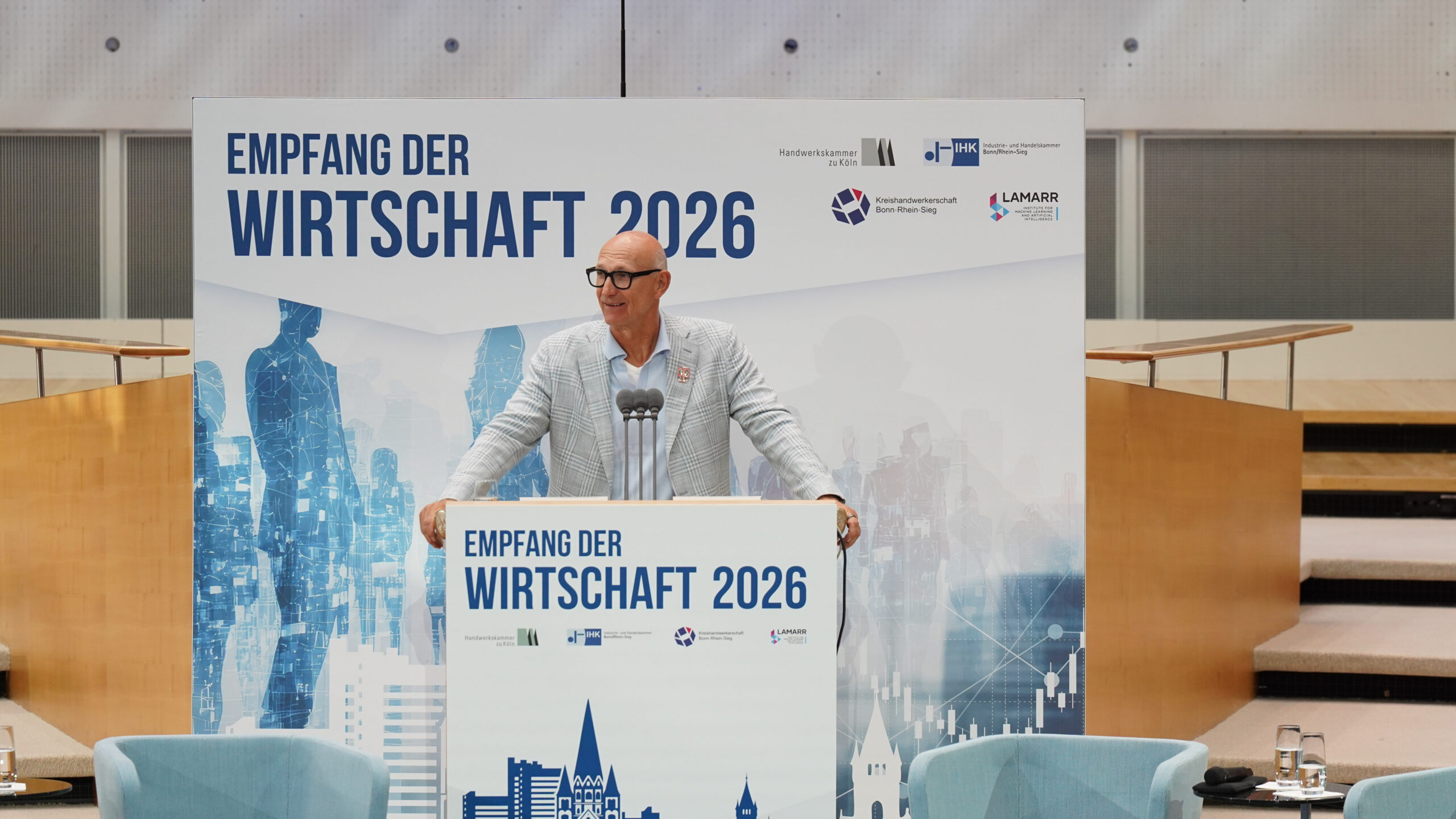
Evening Reception – “Empfang der Wirtschaft“ meets AI26

3

The evening reception, hosted by Industrie- und Handelskammer Bonn/Rhein-Sieg, Handwerkskammer zu Köln & Kreishandwerkerschaft Bonn-Rhein-Sieg, is the festive finale of the first day of AI26 – The Lamarr Conference. All participants are invited to listen to high-level keynotes and join the get-together in the lobby of the plenary building.

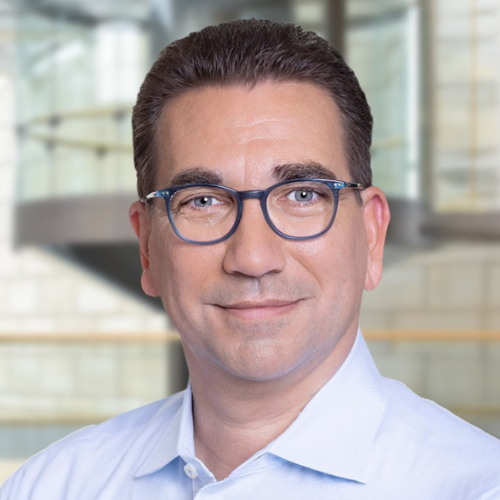
Keynote

Timotheus Höttges

Deutsche Telekom AG

Timotheus Höttges

CEO

Deutsche Telekom AG

Timotheus Höttges, born in 1962, has been Chairman of the Board of Management of Deutsche Telekom AG since January 2014. From 2009 until his appointment as Chairman of the Board of Management, he was responsible for Finance and Controlling as a member of the Group Board of Management.

Under Tim Höttges, Deutsche Telekom achieved a landmark move in the U.S. market with the 2020 merger of T-Mobile US and Sprint; at the same time, he significantly accelerated the rollout of 5G and fiber-optics and increased global investments to EUR 19.3 billion most recently. Under his leadership, Deutsche Telekom became one of the world’s most valuable brands.

Keynote

Timotheus Höttges

Panel

Timotheus Höttges

Deutsche Telekom AG

Timotheus Höttges

CEO

Deutsche Telekom AG

Timotheus Höttges, born in 1962, has been Chairman of the Board of Management of Deutsche Telekom AG since January 2014. From 2009 until his appointment as Chairman of the Board of Management, he was responsible for Finance and Controlling as a member of the Group Board of Management.

Under Tim Höttges, Deutsche Telekom achieved a landmark move in the U.S. market with the 2020 merger of T-Mobile US and Sprint; at the same time, he significantly accelerated the rollout of 5G and fiber-optics and increased global investments to EUR 19.3 billion most recently. Under his leadership, Deutsche Telekom became one of the world’s most valuable brands.

Prof. Dr. Stefan Wrobel

Lamarr Institute

Prof. Dr. Stefan Wrobel

Director

Lamarr Institute

Stefan Wrobel is a Professor of Computer Science at the University of Bonn, Director of the Fraunhofer Institute for Intelligent Analysis and Information Systems IAIS and Director of the Lamarr Institute. As one of the leading AI researchers in Germany, Stefan has been engaged for many years in scientific, technical and economic aspects of AI, with a particular focus on Data Mining and Machine Learning. His research focuses on intelligent algorithms and large-scale data analysis. Stefan has published widely in international top-tier conferences and journals and is recognized as one of the most influential figures in German AI.

Dr. Andrea Niehaus

Deutsches Museum Bonn

Dr. Andrea Niehaus

Director

Deutsches Museum Bonn

Dr. Andrea Niehaus is director of Deutsches Museum Bonn, part of Deutsches Museum for Science and Technology in Munich. She studied Art History, Archeology and Cultural Studies in Kiel, Munich and Florence. She moved to Bonn to the newly opened museum. Her work focuses on education and science communication. Over the past five years, she and her team handled the transformation into a innovative forum for AI. Behind the motto “Mission AI – experience.understand.participate” lies a fluid, interactive exhibition concept and human-centered education: the so-called “museotainment”: for visitors of all ages.

Guido Déus

Mayor of the City of Bonn 

Guido Déus

Mayor of the City of Bonn 

Guido Déus, born in 1968, has been Mayor of the Federal City of Bonn since November 1, 2025. A public finance graduate, Déus has held various public administration positions, most recently at the Federal Agency for Real Estate (BIMA), where he led the Press/Communications/Marketing division and served as press spokesperson. From 2017 until his election as Mayor of Bonn, Déus was a member of the State Parliament of North Rhine-Westphalia. In his role as mayor, Déus aims to pragmatically implement innovative solutions to the challenges of our time, while placing the needs of Bonn’s residents at the center of his work.

Panel

Timotheus Höttges, Prof. Dr. Stefan Wrobel, Dr. Andrea Niehaus

08:30 – 09:15

Arrival, Check-in & Mingling

09:15 – 09:30

Opening

3

Greeting

Prof. Dr. Jakob Rehof

Lamarr Institute

Prof. Dr. Jakob Rehof

Director

Lamarr Institute

Jakob Rehof is Director of the Lamarr Institute and a computer scientist specializing in software engineering, verification and Trustworthy AI. He studied Computer Science and Mathematics at the University of Copenhagen and received his PhD from the Department of Computer Science (DIKU). After working at Microsoft Research in Redmond from 1998 to 2006 and visiting Stanford University in 1997, Jakob became Professor of Computer Science at TU Dortmund University in 2006. He also served as director of the Fraunhofer Institute for Software and Systems Engineering (ISST) in Dortmund from 2006 to 2021 where he now serves as Director of Research Strategy.

Prof. Dr. Christian Bauckhage

Lamarr Institute

Prof. Dr. Christian Bauckhage

Director

Lamarr Institute

Christian Bauckhage is Professor of Computer Science (Pattern Recognition) at the University of Bonn, Lead Scientist for Machine Learning at Fraunhofer IAIS and director of the Lamarr Institute. His national and international experience in academia and industry in the field of Data Science and Artificial Intelligence spans more than 20 years. Christian is a renowned expert in pattern recognition, data mining and intelligent systems and has co-invented four patents. His current work focuses on hybrid learning systems, the potentials of Quantum Computing and Quantum Machine Learning to open up previously unsolvable processes in AI and Machine Learning as well as multi-agent systems.

Greeting

Ina Brandes MdL, Prof. Dr. Christian Bauckhage

09:30 – 10:15

Keynotes on Current Breakthroughs in AI 

3

We start our second conference day with two insightful keynotes on current advances in AI that unlock new potential for value creation and productivity, including AI agents that move from passive assistance to active execution.

Keynotes

Prof. Dr. Christian Bauckhage

Lamarr Institute

Prof. Dr. Christian Bauckhage

Director

Lamarr Institute

Christian Bauckhage is Professor of Computer Science (Pattern Recognition) at the University of Bonn, Lead Scientist for Machine Learning at Fraunhofer IAIS and director of the Lamarr Institute. His national and international experience in academia and industry in the field of Data Science and Artificial Intelligence spans more than 20 years. Christian is a renowned expert in pattern recognition, data mining and intelligent systems and has co-invented four patents. His current work focuses on hybrid learning systems, the potentials of Quantum Computing and Quantum Machine Learning to open up previously unsolvable processes in AI and Machine Learning as well as multi-agent systems.

Dr. Michael May

Siemens

Dr. Michael May

Head of Data & AI Research

Siemens

Dr. Michael May is heading the Siemens Data & AI Research. He is based in Munich and heading a global AI department with fourteen research groups in Europe, US, and Asia, driving research and innovation at Siemens in AI and machine learning. The department is carrying out research in Industrial Foundation Models, Physical and Neurosymbolic AI. Before joining Siemens in 2013, Michael was Head of the Knowledge Discovery Department at the Fraunhofer Institute for Intelligent Analysis and Information Systems in Bonn, Germany. Michael was the local chair of the 22nd International Conference on Machine Learning, ICML 2005, and further scientific and industrial conferences in the field.

Keynotes

Current Breakthroughs in AI

Multi-Agent Systems | Prof. Dr Christian Bauckhage (Lamarr Institute)
By now, it is likely that most participants of the Lamarr Conferece will have had interactions with chatbots such as ChatGPT and will have seen whet they are capable of. However, over the past 12 months AI has made further rapid progress and recent agentic AIs show even more astounding capabilities. In this short keynote, we report anecdotal evidence of what they can do. Based on our own real-life experiences, we will argue that agentic AI systems will utterly disrupt many professions and the way we work and do business and that it is high time to prepare for this disruption.

The Chances of Industrial AI for European Industry | Dr. Michael May (Siemens)
One of the areas where Europe can hope to compete in the AI space is Industrial AI. It creates a number of important research & application challenges quite different from the consumer domain. The first is around combining data-driven machine learning and physics-based methods to leverage the best of both worlds. A second cluster is on deploying solutions in operations & control, e.g. on the shopfloor. Here, Generative AI promises to break currently existing barriers for the scalability and transferability of solutions. A third important and sometimes underestimated dimension is the need for safe & reliable AI. In my presentation I will discuss examples from various industrial areas and point towards some open challenges.

  • Business
  • Agentic AI
  • Science

10:15 – 11:00

Setting the Course: Strategic Pathways for AI Transfer

3

As AI innovation is accelerating, turning breakthroughs into real-world value remains a challenge. This roundtable explores the key decisions needed to translate innovation into scalable, high-impact applications, including AI portfolios, talent, and governance.

Discussion

Dr. Christian Temath

KI.NRW

Dr. Christian Temath

Managing Director

KI.NRW

Christian Temath is Managing Director of the competence platform KI.NRW. He and his team work to strengthen the initiative “AI made in NRW” and to promote the technological sovereignty of North Rhine-Westphalia by making it easier for larger companies, SMEs and startups to get started with AI. As Transfer chair at the Lamarr Institute, Christian also supports collaboration between research and industry. He holds a PhD in business informatics and has extensive experience in technology consulting and the practical application of AI in international e-commerce. His work focuses on facilitating the adoption of AI in companies and organizations.

Stefanie Kemp

Sana Kliniken AG

Stefanie Kemp

Chief Transformation Officer

Sana Kliniken AG

Stefanie Kemp has served as Chief Transformation Officer (CTO) of Sana Kliniken AG since September 1, 2022, leading the Executive Board’s Transformation division and driving the group’s evolution into an integrated healthcare service provider. She began her professional career as a pediatric nurse. Over 35 years ago, she transitioned into the information technology sector via the pharmaceutical industry. In addition to RWE/innogySE, she has worked at Lowell Financial Services, operated her own consulting firm, and held positions at Oracle. She also holds supervisory board mandates, serves as Executive Sponsor of the Rotonda Business Club Düsseldorf, and is actively involved as a mentor for the Women into Leadership e. V. (IWiL) initiative.

Prof. Dr. LL.M. Karina Grisse

TU Darmstadt

Prof. Dr. LL.M. Karina Grisse

Chair for Civil Law, Intellectual Property Law and Digital Law

TU Darmstadt

Prof. Dr. Karina Grisse, LL.M., is Professor and Chair of Civil Law, Intellectual Property Law and the Law of Digitalisation at TU Darmstadt. She studied in Bonn and Edinburgh and holds a PhD from the University of Bonn. Following several years of practice as an attorney specializing in copyright, unfair competition and media law, and academic research at the University of Cologne, she joined TU Darmstadt in 2025. Her research addresses the civil law challenges of the digital transformation, focusing on platform regulation, data protection, personality rights, and the contractual and copyright questions raised by AI.

Discussion

Setting the Course: Strategic Pathways for AI Transfer

Stefanie Kemp, Prof. Dr. Axel-Cyrille Ngonga Ngomo, Dr. Christian Temath, Prof. Dr. Karina Grisse

The experts discuss strategic steps for turning AI innovation into real-world solutions. They consider regulatory frameworks, accountability and safety requirements while also focusing on the mindset and transformative process within organizations which are necessary for AI to create a positive impact in economy and society. After the introductory discussion, the experts are available in individual sessions for further exchange.

  • Business
  • Agentic AI
  • Science
  • Foundation Models
  • Trustworthy AI
  • Health

11:00 – 11:15

Coffee Break

11:15 – 12:15

Meet the Experts

3

Diving deeper into the topics of this morning, it is time to meet our experts. Engage directly with the speakers during interactive sessions. There, you can join topical group discussions, gain practical insights, ask in-depth questions, and connect across research, industry, and law.

Stefanie Kemp

Sana Kliniken AG

Stefanie Kemp

Chief Transformation Officer

Sana Kliniken AG

Stefanie Kemp has served as Chief Transformation Officer (CTO) of Sana Kliniken AG since September 1, 2022, leading the Executive Board’s Transformation division and driving the group’s evolution into an integrated healthcare service provider. She began her professional career as a pediatric nurse. Over 35 years ago, she transitioned into the information technology sector via the pharmaceutical industry. In addition to RWE/innogySE, she has worked at Lowell Financial Services, operated her own consulting firm, and held positions at Oracle. She also holds supervisory board mandates, serves as Executive Sponsor of the Rotonda Business Club Düsseldorf, and is actively involved as a mentor for the Women into Leadership e. V. (IWiL) initiative.

Expert Session Kemp: Implementing AI in Large-Scale Healthcare

Plenary Hall

Expert Stefanie Kemp shares key insights on AI-driven transformation in large-scale hospital networks — from real-world implementation challenges to the promises surrounding AI that often fall short in practice.

Prof. Dr. Christian Bauckhage

Lamarr Institute

Prof. Dr. Christian Bauckhage

Director

Lamarr Institute

Christian Bauckhage is Professor of Computer Science (Pattern Recognition) at the University of Bonn, Lead Scientist for Machine Learning at Fraunhofer IAIS and director of the Lamarr Institute. His national and international experience in academia and industry in the field of Data Science and Artificial Intelligence spans more than 20 years. Christian is a renowned expert in pattern recognition, data mining and intelligent systems and has co-invented four patents. His current work focuses on hybrid learning systems, the potentials of Quantum Computing and Quantum Machine Learning to open up previously unsolvable processes in AI and Machine Learning as well as multi-agent systems.

Expert Session Bauckhage: Multi-Agent Systems in the Real World

Bonn 1

Expert Prof. Dr. Christian Bauckhage shares key insights on multi-agent systems — exploring their potential for value creation, what already works in practice today, and where challenges and limitations remain.

Prof. Dr. LL.M. Karina Grisse

TU Darmstadt

Prof. Dr. LL.M. Karina Grisse

Chair for Civil Law, Intellectual Property Law and Digital Law

TU Darmstadt

Prof. Dr. Karina Grisse, LL.M., is Professor and Chair of Civil Law, Intellectual Property Law and the Law of Digitalisation at TU Darmstadt. She studied in Bonn and Edinburgh and holds a PhD from the University of Bonn. Following several years of practice as an attorney specializing in copyright, unfair competition and media law, and academic research at the University of Cologne, she joined TU Darmstadt in 2025. Her research addresses the civil law challenges of the digital transformation, focusing on platform regulation, data protection, personality rights, and the contractual and copyright questions raised by AI.

Expert Session Grisse: Building Fair and Trustworthy AI - EU Legal Approaches and Practical Challenges

Berlin

Expert Prof. Dr. Karina Grisse provides key insights into legal approaches in recent EU legislation that aim to make AI fair and trustworthy, and discusses the challenges these legal concepts pose in practice.

Dr. Christian Temath

KI.NRW

Dr. Christian Temath

Managing Director

KI.NRW

Christian Temath is Managing Director of the competence platform KI.NRW. He and his team work to strengthen the initiative “AI made in NRW” and to promote the technological sovereignty of North Rhine-Westphalia by making it easier for larger companies, SMEs and startups to get started with AI. As Transfer chair at the Lamarr Institute, Christian also supports collaboration between research and industry. He holds a PhD in business informatics and has extensive experience in technology consulting and the practical application of AI in international e-commerce. His work focuses on facilitating the adoption of AI in companies and organizations.

Expert Session Temath: AI Portfolio Management at Scale

Rheinlobby

Expert Dr. Christian Temath shares key insights on managing AI portfolios for maximum business impact — balancing quick wins with long-term vision, top-down and bottom-up approaches, and efficiency with innovation.

Expert Session Kemp: Implementing AI in Large-Scale Healthcare

Plenary Hall

Expert Stefanie Kemp shares key insights on AI-driven transformation in large-scale hospital networks — from real-world implementation challenges to the promises surrounding AI that often fall short in practice.

Stefanie Kemp

Sana Kliniken AG

Stefanie Kemp

Chief Transformation Officer

Sana Kliniken AG

Stefanie Kemp has served as Chief Transformation Officer (CTO) of Sana Kliniken AG since September 1, 2022, leading the Executive Board’s Transformation division and driving the group’s evolution into an integrated healthcare service provider. She began her professional career as a pediatric nurse. Over 35 years ago, she transitioned into the information technology sector via the pharmaceutical industry. In addition to RWE/innogySE, she has worked at Lowell Financial Services, operated her own consulting firm, and held positions at Oracle. She also holds supervisory board mandates, serves as Executive Sponsor of the Rotonda Business Club Düsseldorf, and is actively involved as a mentor for the Women into Leadership e. V. (IWiL) initiative.

Expert Session Bauckhage: Multi-Agent Systems in the Real World

Bonn 1

Expert Prof. Dr. Christian Bauckhage shares key insights on multi-agent systems — exploring their potential for value creation, what already works in practice today, and where challenges and limitations remain.

Prof. Dr. Christian Bauckhage

Lamarr Institute

Prof. Dr. Christian Bauckhage

Director

Lamarr Institute

Christian Bauckhage is Professor of Computer Science (Pattern Recognition) at the University of Bonn, Lead Scientist for Machine Learning at Fraunhofer IAIS and director of the Lamarr Institute. His national and international experience in academia and industry in the field of Data Science and Artificial Intelligence spans more than 20 years. Christian is a renowned expert in pattern recognition, data mining and intelligent systems and has co-invented four patents. His current work focuses on hybrid learning systems, the potentials of Quantum Computing and Quantum Machine Learning to open up previously unsolvable processes in AI and Machine Learning as well as multi-agent systems.

Expert Session Grisse: Building Fair and Trustworthy AI - EU Legal Approaches and Practical Challenges

Berlin

Expert Prof. Dr. Karina Grisse provides key insights into legal approaches in recent EU legislation that aim to make AI fair and trustworthy, and discusses the challenges these legal concepts pose in practice.

Prof. Dr. LL.M. Karina Grisse

TU Darmstadt

Prof. Dr. LL.M. Karina Grisse

Chair for Civil Law, Intellectual Property Law and Digital Law

TU Darmstadt

Prof. Dr. Karina Grisse, LL.M., is Professor and Chair of Civil Law, Intellectual Property Law and the Law of Digitalisation at TU Darmstadt. She studied in Bonn and Edinburgh and holds a PhD from the University of Bonn. Following several years of practice as an attorney specializing in copyright, unfair competition and media law, and academic research at the University of Cologne, she joined TU Darmstadt in 2025. Her research addresses the civil law challenges of the digital transformation, focusing on platform regulation, data protection, personality rights, and the contractual and copyright questions raised by AI.

Expert Session Temath: AI Portfolio Management at Scale

Rheinlobby

Expert Dr. Christian Temath shares key insights on managing AI portfolios for maximum business impact — balancing quick wins with long-term vision, top-down and bottom-up approaches, and efficiency with innovation.

Dr. Christian Temath

KI.NRW

Dr. Christian Temath

Managing Director

KI.NRW

Christian Temath is Managing Director of the competence platform KI.NRW. He and his team work to strengthen the initiative “AI made in NRW” and to promote the technological sovereignty of North Rhine-Westphalia by making it easier for larger companies, SMEs and startups to get started with AI. As Transfer chair at the Lamarr Institute, Christian also supports collaboration between research and industry. He holds a PhD in business informatics and has extensive experience in technology consulting and the practical application of AI in international e-commerce. His work focuses on facilitating the adoption of AI in companies and organizations.

12:15 – 13:30

Lunch Break

13:30 – 14:30

Parallel Sessions

3

Choose from one of the parallel sessions on agentic AI, healthcare data, and scientific discovery. From semantic frameworks and secure patient data infrastructures to AI-driven research, the sessions highlight how AI enables innovation across domains.

Semantic Frameworks for Agentic AI

Tom Winter

Deutsche Bahn AG

Tom Winter

Expert Corporate Language & Semantics

Deutsche Bahn AG

Tom Winter is a Corporate Language and Semantic Technologies expert at Deutsche Bahn AG, where he drives the transformation of corporate language into ontology-based, interoperable knowledge structures.He establishes a semantic framework in which terminology serves as a reference layer for enterprise knowledge models. His work enables applications such as machine translation, generative AI, and Digital Twins.After serving as Chairman of the Deutscher Terminologie-Tag e. V. (DTT) until 2025, he continues to contribute as a board member. And he is a member of the Rat für Deutschsprachige Terminologie (RaDT).

Prof. Dr. Sahar Vahdati

Leibniz University
Hannover

Prof. Dr. Sahar Vahdati

Professor | Leibniz University Hannover and TIB

Leibniz Information Centre for Science and Technology

Prof. Dr. Sahar Vahdati is Professor of AI for Science at Leibniz University Hanover and TIB, Leibniz Information Centre for Science and Technology, where she leads the Nature-Inspired AI for Science Lab. Her research develops theoretical foundations for reasoning and causality in frontier AI models for scientific discovery, with the aim of building transparent, robust, and trustworthy AI for science. She coordinates the EOSC Assistant project, an agentic GenAI Open Research Assistant launching in September 2026. Her broader research agenda explores mind-inspired AI, ARC-AGI, and pathways toward safe AGI.

Marcus Danei

SAP

Marcus Danei

Product Manager Language Technologies

SAP

At SAP, Marcus Danei is responsible for defining and implementing strategic directions for SAP’s language technologies. Marcus has over 30 years’ experience in the software and localization industries, and has worked in a range of areas within SAP, from introducing Arabic as a standard language, through translation production management, defining and maintaining standards for release management and technology, to translation business partner management, software product management and language data management.

Daniela Fleck

Philips

Daniela Fleck

Terminologist

Philips

Daniela Fleck is a terminologist at Philips working on clarity and consistency in language use across complex, multilingual settings. Her work focuses on helping teams make concepts explicit and align on shared definitions as a basis for communication across languages, teams, and channels. In the context of increasing AI use, she draws attention to the role of terminology in supporting more informed design, evaluation, and governance of language‑mediated systems.

Helmut Nagy

Graphwise

Helmut Nagy

Graphwise

VP Sales Enablement

Helmut Nagy is VP of Sales Enablement at Graphwise, the vendor behind the Graphwise Platform. Graphwise has offices in Vienna, Sofia, and New York. In his role, he is responsible for Graphwise’s internal knowledge management solutions, certification program, and product portfolio. The Graphwise Platform is used by more than 200 organizations worldwide to build reliable and scalable semantic AI solutions. He is a recognized expert in knowledge management and semantic AI and has collaborated with global organizations to support them in developing and implementing their knowledge management and AI strategies. Helmut Nagy is co-author of “The Knowledge Graph Cookbook” and “DOM GraphRAG: A semantic content architecture for neuro-symbolic RAG.”

Semantic Frameworks for Agentic AI

Tom Winter, Prof. Dr. Sahar Vahdati, Marcus Danei, Daniela Fleck, Helmut Nagy

As enterprises move toward Agentic AI, semantic frameworks become essential for ensuring shared meaning, interoperability, and trustworthy decision-making across systems. This roundtable explores how controlled vocabularies, knowledge graphs, and semantic structures create the linguistic and conceptual foundation for scalable AI ecosystems. Perspectives from SAP, Philips, Graphwise and academia provide practical and strategic insights into the future of enterprise AI.

  • Business
  • Agentic AI

Patient-Centered AI for the Healthcare of the Future

Prof. Dr. med. Jörg C. Kalff

University Medical Hospital Bonn

Prof. Dr. med. Jörg C. Kalff

Head of the Department of Surgery

University Medical Hospital Bonn (UKB)

Prof. Dr. Jörg C. Kalff is a leading German surgeon, academic, and medical innovator, serving as Director of the Department of General, Visceral, Vascular and Transplant Surgery at the University Hospital Bonn. He is the Speaker of the BOSTER – Bonn Surgical Technology Center, an initiative to advance surgical innovation and the integration of emerging technologies into clinical practice.With decades of experience in complex surgical care and translational research, he operates at the intersection of clinical excellence, scientific discovery, and healthcare innovation. His clinical expertise includes advanced surgical oncology, particularly liver, pancreas, and gastrointestinal oncological procedures, as well as transplant surgery.

In addition to his clinical leadership, Prof. Kalff is internationally recognized for his research on postoperative inflammation, intestinal function, and neuro- immune interactions in the gut. Through his work in BOSTER, he is closely engaged in shaping the future of surgery by fostering collaboration between medicine, engineering, and data science, including the application of artificial intelligence.

Prof. Dr. Michael Kamp

Lamarr Institute

Prof. Dr. Michael Kamp

Principal Investigator

Lamarr Institute

Michael Kamp is a Principal Investigator at the Lamarr Institute and an Associate Professor for Machine Learning and Artificial Intelligence at TU Dortmund University. He is also affiliated with the Institute for AI in Medicine (IKIM), where he previously led the Trustworthy Machine Learning group. His career includes a decade as a data scientist at Fraunhofer IAIS and research stays at Monash University and CISPA. Michael’s research focuses on the theoretical foundations of deep learning, causal representation learning, and privacy-preserving methods like federated learning, specifically tailored for sensitive applications in medicine and healthcare.

Patient-Centered AI for the Healthcare of the Future

Prof. Dr. med. Jörg Kalff, Prof. Dr. Michael Kamp

As enterprises move toward Agentic AI, semantic frameworks become essential for ensuring shared meaning, interoperability, and trustworthy decision-making across systems. This roundtable explores how controlled vocabularies, knowledge graphs, and semantic structures create the linguistic and conceptual foundation for scalable AI ecosystems. Perspectives from SAP, Philips, Graphwise and academia provide practical and strategic insights into the future of enterprise AI.

  • Trustworthy AI
  • Health

Agents and ML Algorithms for Exploration and Scientific Discovery

Dr. Bogdan Georgiev

Google DeepMind

Dr. Bogdan Georgiev

Staff Research Engineer

Google DeepMind

Dr. Bogdan Georgiev is a Staff Research Engineer at Google DeepMind. Previously, he was a research scientist at the Fraunhofer IAIS and the Lamarr Institute. He obtained his PhD in mathematics from the Max Planck Institute and the University ofBonn.
Dr. Georgiev is fascinated by the possibilities for exploration and discovery introduced by the interplay between AI and mathematics—from differential equations and geometry to optimization and machine learning. Recently, he has been exploring these areas using tools such as specialized machine learning algorithms (PINNs), theorem-proving agents (AlphaProof), and evolutionary coding agents (AlphaEvolve). He is also broadly interested in computing at scale, high-precision numerics, and training dynamics in ML.

Agents and ML Algorithms for Exploration and Scientific Discovery

Dr. Bogdan Georgiev

As enterprises move toward Agentic AI, semantic frameworks become essential for ensuring shared meaning, interoperability, and trustworthy decision-making across systems. This roundtable explores how controlled vocabularies, knowledge graphs, and semantic structures create the linguistic and conceptual foundation for scalable AI ecosystems. Perspectives from SAP, Philips, Graphwise and academia provide practical and strategic insights into the future of enterprise AI.

  • Science
  • Foundation Models

14:30 – 15:00

Coffee Break

15:00 – 16:00

Parallel Sessions

3

Choose your session and explore AI’s transformative potential for businesses and healthcare. Discover how AI certification and agentic systems create real-world business value, and how Foundation Models drive innovation in clinical care.

AI-ready Data for Business – Insights from Local Companies

Bernhard Christ

IHK Bonn/Rhein-Sieg

Bernhard Christ

Referent IT- & Gesundheitswirtschaft

IHK Bonn/Rhein-Sieg

Bernhard Christ is an Economic Policy Consultant (M.Sc.) for the IT and health economy at the Chamber of Industry and Commerce (IHK) Bonn/Rhein-Sieg and the Managing Director of Wirtschaftsjunioren (WJ) Bonn/Rhein-Sieg, a network für young entrepreneurs. His work focuses on consulting, lobbying, and networking for regional businesses in the fields of AI, cybersecurity, digital sovereignty, fiber-optic infrastructure, and digital health. He gained practical experience in the application of AI while working as a Manager in Delivery Operations at Amazon Logistics.

Dr. Patrick Maué

AV Software Solutions 360°

Dr. Patrick Maué

Executive Principal

AV Software Solutions 360°

Dr. Patrick Maué began his professional career in artificial intelligence and geospatial data research. For more than twenty years, he has advised organizations and led the implementation of projects in the fields of artificial intelligence, document analysis, and electronic records management. As Executive Principal at AV Software Solutions 360° (AVS), the Competence Center of the Bechtle IT System House Bonn, he leads a team of AI experts and data scientists. His work focuses on public sector projects, ranging from municipalities to federal ministries. His conviction: AI creates its greatest impact by making complex administrative processes more transparent, efficient, and future-ready.

Martin Förster

Scopevisio AG

Martin Förster

Director of Product

Scopevisio AG

Martin Förster is Director of Product at Scopevisio AG, a German cloud ERP and accounting software provider, where he holds company wide responsibility for product management, go-to-market strategy, and the company’s AI agenda. He brings deep expertise in complex enterprise and ERP products: at Wolters Kluwer he led the cloud transformation of a legal practice management solution across seven countries, and he subsequently served as Head of Product Management for Social Housing at Aareon. At Scopevisio he is now driving the shift toward AI-first products, including retrieval-based document intelligence built on customers’ accounting and ERP data.

Martin Wibbe

conet

Martin Wibbe

Chief Executive Officer

conet

Seasoned executive with over 25 years of experience in the IT services industry, having held various senior management roles across sales, operations, and business development. Formerly SVP Chief Sales Officer at Atos Germany and CEO of the Materna Group, he has a strong track record in driving growth and transformation. Currently serving as CEO of conet Group, leading around 2,000 professionals in software engineering and digital solutions. He brings extensive board-level expertise in go-to-market strategy, strategic leadership, and organizational development.

Dr. Andrej Fischer

Comma Soft AG

Dr. Andrej Fischer

Executive Manager Consulting AI & Data

Comma Soft AG

Dr. Andrej Fischer is a member of the Executive Management at Comma Soft AG. Since joining in 2014, he has established the Data Science Consulting practice and currently leads strategic AI and GenAI initiatives across various industries. He holds a PhD in Theoretical Physics from the University of Cologne and conducted postdoctoral research in cancer genomics at the Wellcome Trust Sanger Institute in Cambridge. He has been working with AI and statistical data analysis since 2010. Nowadays, he is focusing on how to manage all the transformations that are induced by these technologies.

AI-ready Data for Business – Insights from Local Companies

Dr. Bogdan Georgiev, Dr. Andrej Fischer

This panel brings together leading regional companies to share practical insights on how businesses can become truly AI-ready. From first AI use cases and system integration to scalable data strategies and trustworthy governance, the discussion highlights real experiences from companies driving AI adoption in practice. Attendees will gain concrete perspectives on implementation challenges, emerging opportunities, and the key factors organizations should not underestimate when turning AI ambition into sustainable business value.

  • Business

Trustworthy AI for Health

Prof. Dr. Adele Ribeiro

RWTH Aachen

Prof. Dr. Adele Ribeiro

RWTH Aachen

Prof. Dr. Adèle Helena Ribeiro is Professor at RWTH Aachen University, where she heads the Institute of Causal and Explainable Artificial Intelligence in Life Sciences and leads the CausalAI4Health group, funded by the German Federal Ministry of Research, Technology and Space (BMFTR). Her research focuses on trustworthy and responsible causal AI for precision medicine and public health. She develops methods in causal inference and machine learning for complex biomedical data, addressing challenges such as latent confounding, selection bias, and high-dimensional multimodal structures. Her work integrates causal discovery, effect estimation, and experimental design with uncertainty quantification, federated learning, and expert-in-the-loop approaches to enable reliable and privacy-preserving scientific inference.

Prior to RWTH Aachen, she held research positions at the University of Münster, Philipps University of Marburg, Columbia University, and the Heart Institute of the University of São Paulo. She holds a Ph.D. and M.Sc. in Computer Science and a B.Sc. in Applied Mathematics from the University of São Paulo.

Dr. Osman Mian

Institute for Artificial Intelligence in Medicine (IKIM)

Dr. Osman Mian

Postdoctoral researcher

Institute for Artificial Intelligence in Medicine (IKIM)

Osman is a postdoctoral researcher at the Institute for AI in Medicine (IKIM), where he applies causal machine learning to medical research, with a particular focus on cancer metastasis. He is also affiliated as a guest researcher with the Lamarr Institute and TU Dortmund University, where he contributes to research and teaching in trustworthy machine learning. Osman obtained his Ph.D. from CISPA Helmholtz Center for Information Security, Saarland University, with a dissertation on practically applicable causal discovery. His career spans both academia and industry, including research at Amazon’s Natural Language Understanding team and machine learning roles in the healthcare and NLP sectors. His research focuses on causal discovery, causal representation learning, and explainable machine learning, with contributions spanning privacy-preserving and federated causal discovery, continual causal learning, and causal modeling of dynamical systems.

Trustworthy AI for Health

Dr. med. Nicolas Conze

The EU AI-Act mandates member states to effectively supervise their national markets of AI systems and products. In this session, the Bundesnetzagentur provides a short, interactive overview of the goals and the process of AI market surveillance in Germany as well as of the various involved national and European authorities and stakeholders and their interplay. Additionally, Fraunhofer IAIS presents a recent study that examines the potential for automation in assessing the non-conformity of AI systems with the AI-Act using appropriate assessment tools.

  • Trustworthy AI
  • Health

Humanoid Robotics in Logistics

Dr. Johannes Hinckeldeyn

KION Group

Dr. Johannes Hinckeldeyn

Director Research Engineering

KION Group

Dr. Johannes Hinckeldeyn is Director Research Engineering at KION AG and is responsible for research and product development projects in the field of intralogistics. Previously, he served as a senior engineer at the Institute of Technical Logistics at TU Hamburg and as Chief Operating Officer at EL Cell GmbH. In that role, he led operational processes as well as the further development of development and production structures. He holds a doctorate in Operations Management and has extensive experience at the intersection of engineering, business, and academia. Through his work in industry, consulting, and research, he combines strategic thinking with strong practical implementation skills.

Dr. Julian Eßer

Lamarr Institute

Dr. Julian Eßer

Scientific Coordinator: Embodied AI

Lamarr Institute

Julian Eßer is a research associate in Robotics and AI at the Fraunhofer Institute for Material Flow and Logistics in Dortmund and scientific coordinator of the Embodied AI research group at the Lamarr Institute. After earning his bachelor’s and master’s degrees (with honors) in mechanical engineering from the University of Duisburg-Essen in 2018 and 2020, respectively, he completed his Ph.D. at TU Dortmund University in 2025 on learning-based control of highly dynamic robots. His research focuses on embodied AI, particularly at the intersection of robotics, reinforcement learning, and physics simulation.


Prof. Dr.-Ing. Hendrik Wöhrle

Fraunhofer IMS

Prof. Dr.-Ing. Hendrik Wöhrle

Head of Smart Embedded Systems (Fraunhofer IMS), Professor for Electrical Engineering (University of Duisburg Essen)

Hendrik Wöhrle is a Professor of Electrical Engineering and Information Technology at the University of Duisburg-Essen and Head of the Smart Embedded Systems group at the Fraunhofer Institute for Microelectronic Circuits and Systems IMS. An expert in embedded AI, domain-specific computing and robotic systems, his research focuses on efficient and reliable AI for robots and other resource-constrained intelligent systems. Building on many years of research at the DFKI Robotics Innovation Center, he develops hardware and software architectures that enable real-time perception, learning and decision-making directly on embedded platforms. His work includes FPGA-based acceleration, signal processing and machine learning methods for applications in human-machine interaction, adaptive robot behavior and intelligent edge robotics.

Humanoid Robotics in Logistics

The safe and reliable deployment of AI-driven robotics systems in real-world settings is crucial for value creation in various industrial and societal domains. By discussing the latest research breakthroughs on robust AI-driven robotics for the real world, experts examine key perspectives on robust robotic systems, the rapid progress of humanoid robotics, and the growing potential of vision-language-action models to enable more flexible, context-aware behavior of robots.

  • Business
  • Agentic AI

The European Market Supervision of AI Systems - An Interactive Perspective

Dr. Daniel Becker

Fraunhofer IAIS

Dr. Daniel Becker

Team Lead AI Assessment Operations

Fraunhofer IAIS

Daniel Becker holds a PhD in theoretical physics (quantum computing and spintronics) and has a background in algorithmic trading. For over five years now, he works at Fraunhofer IAIS in the department AI Assurance & Assessments (AAA), where he leads the AI Assessment Operations team (AAOps). As part of this position, Daniel leads and contributes to various  applied research and industry projects focussing on safeguarding of AI systems, automation of assessment workflows, and AI trustworthiness in general, both from a technical and auditor perspective.

Paul Klee

Bundesnetzagentur

Paul Klee

Referent

Bundesnetzagentur

Paul Klee is an expert in market surveillance and ICT regulation at the Bundesnetzagentur. He holds a Master of Engineering (M.Eng.) in International Business Administration and Engineering. Within the Bundesnetzagentur, his work focuses on ICT standardization, emergency call systems, and artificial intelligence (AI). Currently, he is part of the task force dedicated to the enforcement of the European AI Act under the national implementing legislation, shaping the future of AI market surveillance in Germany.

The European Market Supervision of AI Systems - An Interactive Perspective

Dr. Bogdan Georgiev, Dr. Daniel Becker

The EU AI-Act mandates member states to effectively supervise their national markets of AI systems and products. In this session, the Bundesnetzagentur provides a short, interactive overview of the goals and the process of AI market surveillance in Germany as well as of the various involved national and European authorities and stakeholders and their interplay. Additionally, Fraunhofer IAIS presents a recent study that examines the potential for automation in assessing the non-conformity of AI systems with the AI-Act using appropriate assessment tools.

  • Business
  • Trustworthy AI

16:00 – 16:30

Closing

3

Outlook and Closing

Prof. Dr. Christian Bauckhage

Lamarr Institute

Prof. Dr. Christian Bauckhage

Director

Lamarr Institute

Christian Bauckhage is Professor of Computer Science (Pattern Recognition) at the University of Bonn, Lead Scientist for Machine Learning at Fraunhofer IAIS and director of the Lamarr Institute. His national and international experience in academia and industry in the field of Data Science and Artificial Intelligence spans more than 20 years. Christian is a renowned expert in pattern recognition, data mining and intelligent systems and has co-invented four patents. His current work focuses on hybrid learning systems, the potentials of Quantum Computing and Quantum Machine Learning to open up previously unsolvable processes in AI and Machine Learning as well as multi-agent systems.

Outlook and Closing

Prof. Dr. Christian Bauckhage

Location

World Conference Center Bonn (WCCB) | Plenary Hall

Experience a world-class venue on the banks of the Rhine, where modern architecture meets German political history. The centerpiece is the iconic, light-filled Plenary Hall – the former seat of the German Parliament – which offers an acoustically optimized and inspiring setting for keynotes and high-level networking.

Benefit from a central location in the heart of the UN District, featuring excellent public transport links and on-site parking.

Foto: ©WorldCCBonn
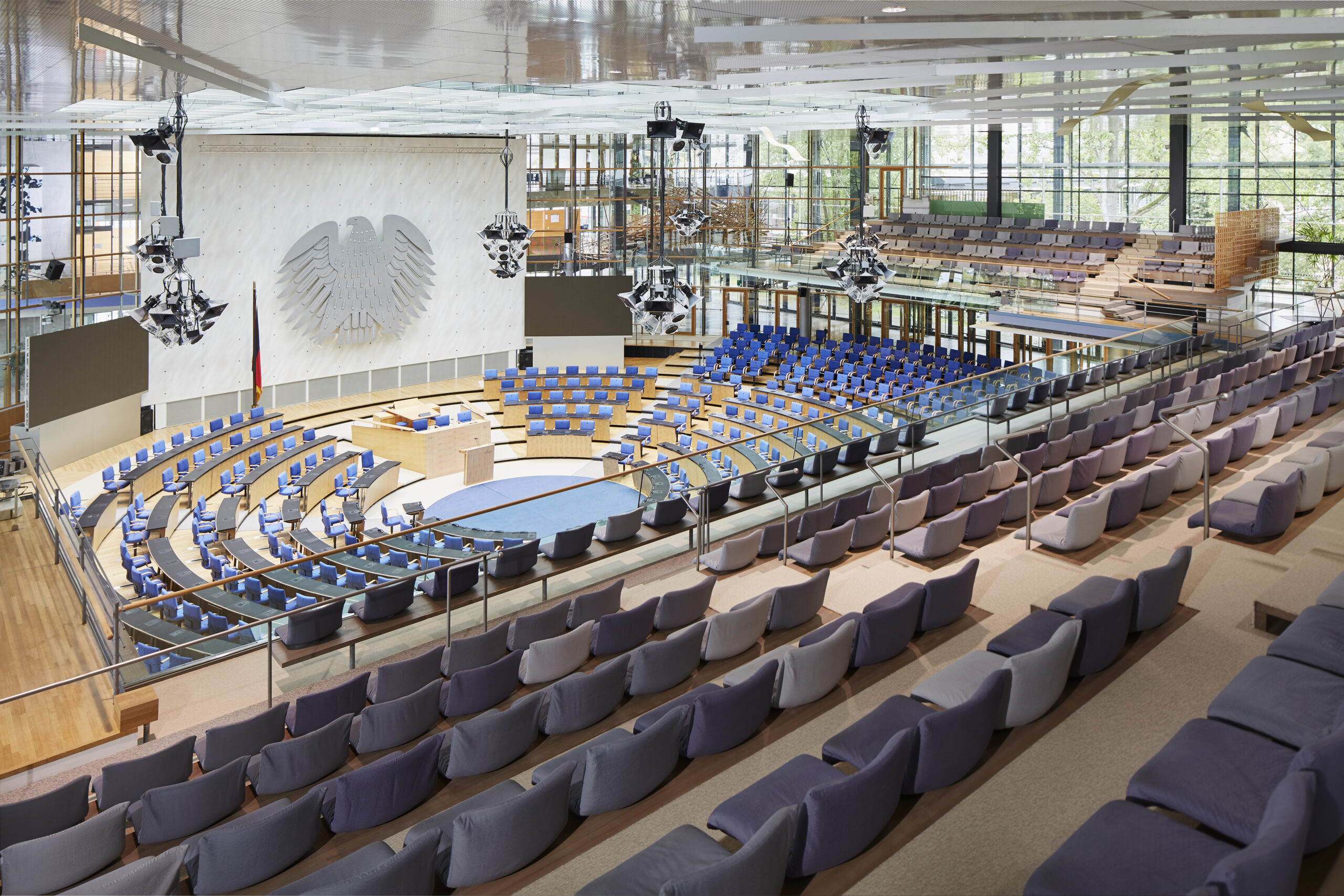
Foto: ©WorldCCBonn

Location

Experience a world-class venue on the banks of the Rhine, where modern architecture meets German political history. The centerpiece is the iconic, light-filled Plenary Hall – the former seat of the German Parliament – which offers an acoustically optimized and inspiring setting for keynotes and high-level networking.

Benefit from a central location in the heart of the UN District, featuring excellent public transport links and on-site parking.

Partners